

Introduction to Limb Development
Limb development is an essential embryological milestone that every medical student should grasp, especially for exams. Understanding this process not only helps in recognising congenital limb deformities but also integrates knowledge from other subjects like genetics and histology. In this post, we’ll explore the key stages of limb development, why they matter in exams, and strategies to help you remember them.
Key Stages of Limb Development
Limb development occurs primarily during the early weeks of embryogenesis, specifically from the fourth to the eighth week. The process can be broken down into several critical stages:
- Initiation (Weeks 4-5): Limb buds appear as outpouchings from the lateral plate mesoderm and are covered by ectoderm.
- Mesenchymal Core Formation (Week 5): The limb buds grow and contain a core of mesenchymal cells derived from the somatic mesoderm, which will differentiate into bones and connective tissues.
- Apical Ectodermal Ridge (AER) Development: The AER forms at the distal end of the limb bud and is crucial for further limb growth. It regulates outgrowth and patterning.
- Digit Formation (Week 6): A process called apoptosis occurs between the developing digits, leading to the separation and formation of individual fingers and toes.
- Rotation and Final Morphology (Weeks 7-8): The limbs undergo rotation about the long axes, with the upper limbs rotating laterally and the lower limbs medially, reaching their final anatomical positions.
Why It Matters in Exams
Limb development is often a favourite topic in embryology exams. Questions may focus on:
- Identifying the stages of limb development and their significance.
- Understanding congenital defects associated with improper limb formation, such as phocomelia or syndactyly.
- Applying knowledge of limb anatomy to clinical scenarios.
Being able to recall these stages and their implications will help you excel in both written exams and practical assessments.
How to Remember It
To help you memorise the stages of limb development, consider using the mnemonic “I Make Amazing Daring Rotations”:
- I: Initiation
- M: Mesenchymal Core Formation
- A: Apical Ectodermal Ridge Development
- D: Digit Formation
- R: Rotation and Final Morphology
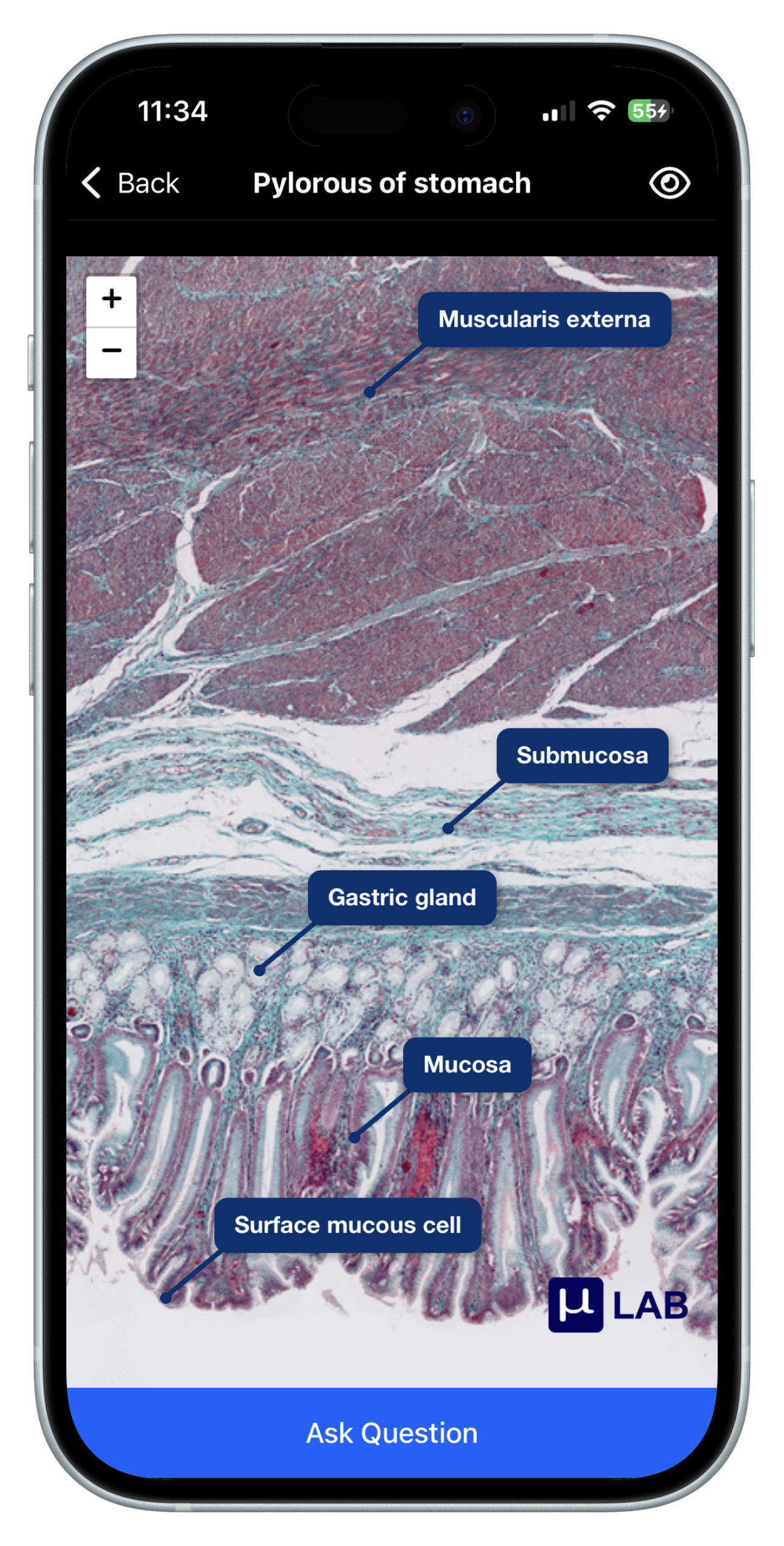
Visual learners may benefit from creating a diagram that illustrates each stage along a timeline. Additionally, reviewing histological slides showing limb bud morphology can reinforce your understanding and retention of this topic.
Conclusion
Understanding limb development is not just about memorising stages; it’s about appreciating the intricate processes that lead to the formation of functional limbs. By mastering key concepts and employing effective study strategies, you can enhance your performance in exams and gain a deeper understanding of embryology.
Practice with interactive flashcards and quizzes on Microlab to solidify your knowledge on limb development and other embryological milestones!
Leave a Reply