

Introduction
As a medical student, identifying histology slides under time pressure can be one of the most challenging aspects of your exams. With the clock ticking, it’s crucial to have a systematic approach to ensure you can accurately recognise the key features of each slide. In this post, we’ll dive into some practical strategies that can help you efficiently identify histological samples while managing your time effectively.
Why It Matters in Exams
Histology slide identification is a common component of medical examinations, often accounting for significant marks. Being able to quickly and accurately identify structures can demonstrate your understanding of tissue types and their functions, which is essential for your overall grasp of anatomy and pathology. Additionally, many practical exams involve slide presentations where time is limited; hence, mastering this skill can set you apart.
Strategies for Quick Identification
- Familiarise with Common Slide Types: Start by knowing the most frequently encountered tissues in your course, such as lung, liver, kidney, and muscle tissues. Create a list of these common types and their distinctive features.
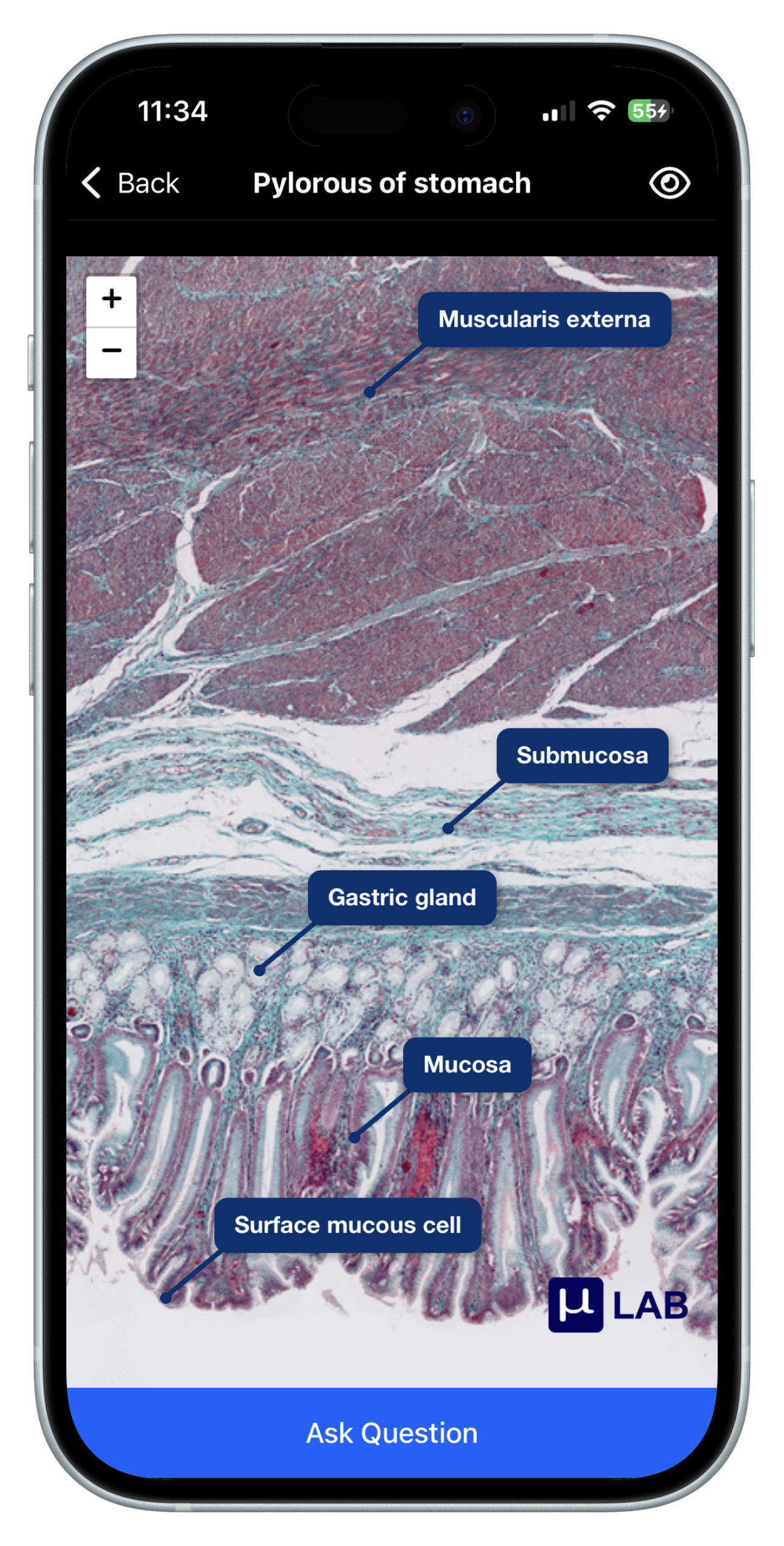
- Use a Systematic Approach: Develop a consistent method for slide analysis. Begin by identifying the overall type of tissue, then zoom in on specific cell types, looking for unique markers such as cell shape, nucleus appearance, and the presence of specific structures.
- Practice with Timed Quizzes: Use flashcards or online quizzes to practice identifying slides under timed conditions. This will help you acclimatise to the pressure and improve your speed.
- Focus on Staining Characteristics: Familiarise yourself with how different stains highlight specific features of tissues. For instance, know what structures are accentuated in H&E versus immunohistochemical stains.
- Group Similar Tissues: When studying, group similar tissues together. For example, compare different types of epithelium or connective tissues side by side to help differentiate them more easily during exams.
How to Remember It
To enhance your memory of histology slide features, consider using the mnemonic “TIC TOC”:
- T: Tissue type (identify if it’s epithelial, connective, etc.)
- I: Identify key structures (nuclei, cell types)
- C: Cell arrangement (single-layered, stratified, etc.)
- T: Texture (smooth, striated, dense)
- O: Organ context (what organ does this tissue belong to?)
- C: Clinical relevance (what diseases are associated with this tissue?)
This mnemonic can help you quickly recall the critical elements needed for slide identification, ensuring you don’t miss any vital details.
Conclusion
Identifying histology slides under exam pressure is no small feat, but with the right strategies and practice, you can improve your speed and accuracy. By familiarising yourself with common types, practicing systematically, and using mnemonic devices, you’ll be better prepared for those high-stakes moments. Remember, the key is consistent practice and applying these strategies in your study sessions. For more resources and interactive tools, practice with interactive flashcards and quizzes on Microlab.
Leave a Reply