

Quick Tips for Effective Histology Slide Identification Under Pressure
As medical students, identifying histology slides can feel overwhelming, especially when you’re racing against the clock during exams. Knowing how to quickly pinpoint key structures on a slide can make a significant difference in your performance. This guide will provide you with practical strategies to enhance your slide identification skills under time pressure.
Why it Matters in Exams
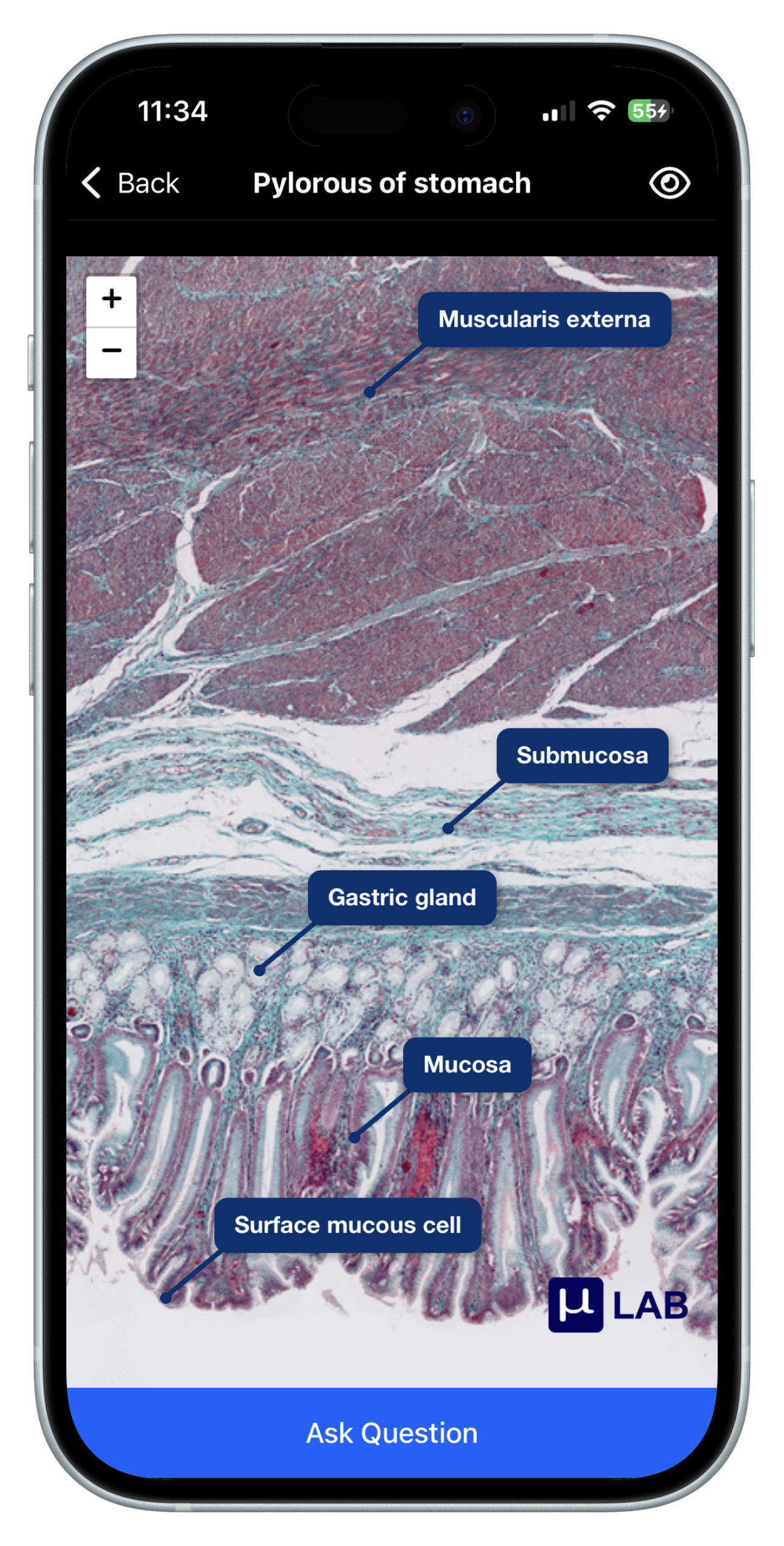
Histology slide identification is a common component of medical exams, requiring students to differentiate between various tissues and structures with precision. Understanding the significance of these slides in clinical contexts is crucial, as it lays the groundwork for diagnosing diseases based on cellular characteristics. A confident grasp of histology not only boosts your exam scores but also enhances your clinical acumen, making it essential for success in your medical journey.
Strategies for Fast Slide Identification
Here are some effective strategies to help you quickly identify histology slides:
- Familiarise Yourself with Common Stains: Different stains highlight specific structures. For example, Hematoxylin and Eosin (H&E) is widely used, staining nuclei blue and cytoplasm pink. Knowing what colours correspond to specific tissues enhances your recognition speed.
- Focus on Key Features: Identify hallmark structures within the tissue type. For example, in muscle tissue, look for striations; in nervous tissue, identify neuron cell bodies and their processes.
- Use a Systematic Approach: Start at one corner of the slide and work your way methodically across, noting any distinctive features. This can prevent missing critical details.
- Practice Recognising Patterns: Many tissues have characteristic arrangements. For instance, the layered structure of the epidermis or the lobular arrangement in the liver can help you quickly determine the type of tissue.
- Engage in Group Study: Discussing slides with peers can enhance your understanding and retention. Teaching each other about different tissue types and their characteristics can reinforce your knowledge.
How to Remember It
To aid in memorisation, consider the following mnemonic:
“Noble Histologists Make Great Choices” – where:
- Noble = Nuclei (key for identifying most tissues)
- Histologists = Histology (the study you are mastering)
- Make = Muscle (look for striations)
- Great = Glandular (recognise duct structures)
- Choices = Connective tissues (identify fibres and cells)
This mnemonic helps you recall some of the major components you need to assess when looking at histology slides.
Conclusion
Identifying histology slides under time pressure is a skill that can be honed with practice and effective strategies. By familiarising yourself with common stains, focusing on key features, and using systematic approaches, you can significantly improve your efficiency. Remember, the more you engage with slides, the more confident you will become. For additional practice, try our interactive flashcards and quizzes on Microlab to solidify your learning.
Leave a Reply