

Introduction to Gastrointestinal Tract Histology
The gastrointestinal (GI) tract is a marvel of biological engineering, comprising various histological layers, each with distinct functions. Understanding these layers is vital for medical students preparing for exams, as questions related to GI histology frequently appear.
Layers of the Gastrointestinal Tract
The GI tract is structured into four primary layers, each playing a critical role in digestion and absorption:
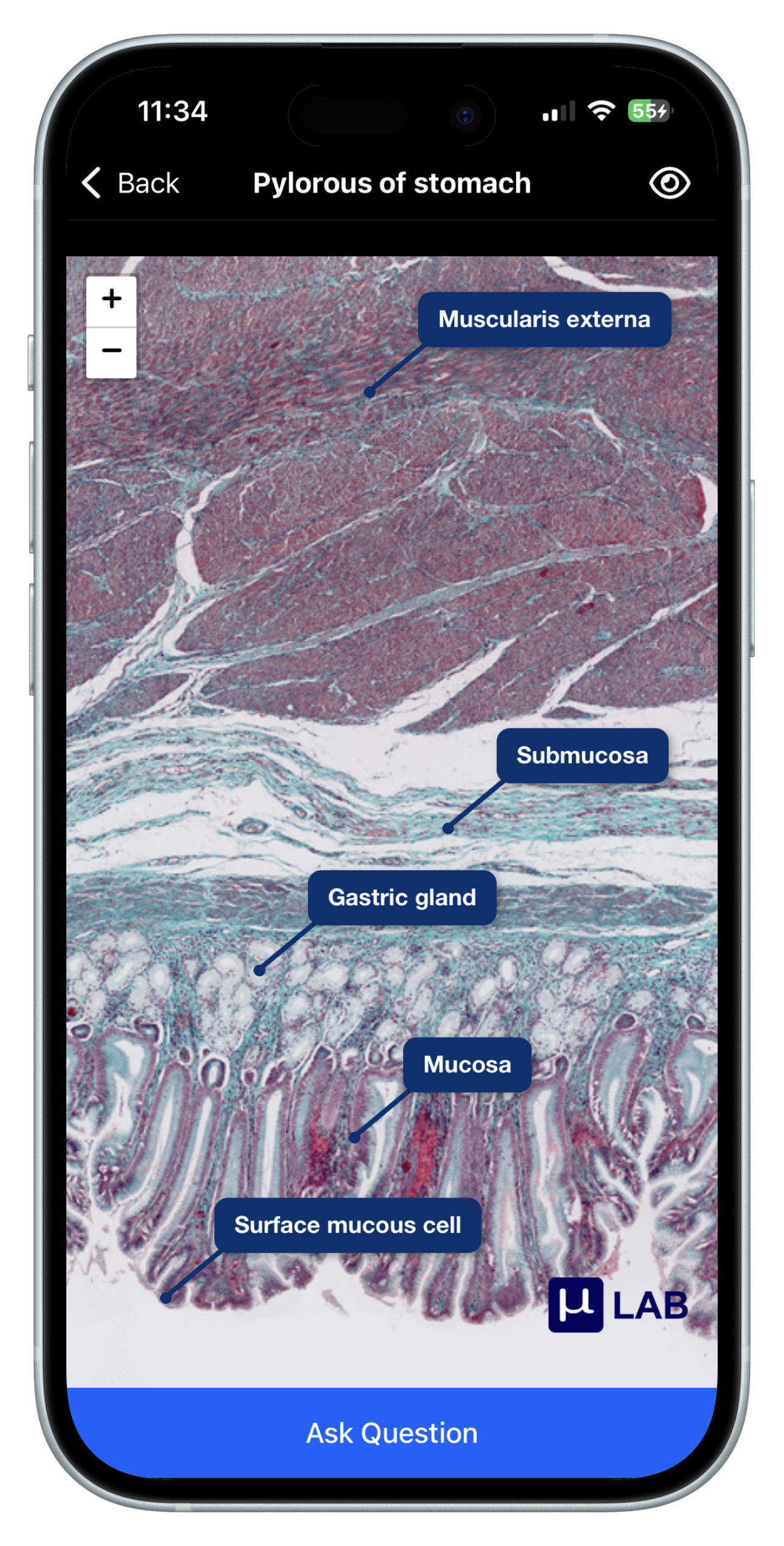
- Mucosa: The innermost layer, which includes the epithelium, lamina propria, and muscularis mucosae. It is responsible for secretion and absorption.
- Submucosa: This layer houses blood vessels, nerves, and glands. It supports the mucosa and provides it with nutrients and signals.
- Muscularis externa: Composed of two muscle layers (circular and longitudinal), this layer facilitates peristalsis and segmentation, critical for moving food through the GI tract.
- Adventitia/Serosa: The outermost layer, which is either connective tissue (adventitia) or a mesothelial layer (serosa) depending on the GI segment’s location.
Why it Matters in Exams
Understanding these layers is crucial for various reasons:
- Pathology: Different diseases affect specific layers. For instance, Crohn’s disease can involve all layers of the bowel wall, while ulcerative colitis typically affects only the mucosa.
- Pharmacology: Knowledge of the GI tract layers assists in understanding how medications affect digestion, absorption, and gut motility.
- Microscopy: Histology slides will often focus on identifying changes within these layers. Being able to recognise alterations can indicate disease processes.
How to Remember It
A simple mnemonic to remember the layers of the GI tract is M-S-M-A:
- Mucosa
- Submucosa
- Muscularis externa
- Adventitia/Serosa
Visual learners can also sketch a cross-section of the GI tract, labelling each layer, which reinforces memory through active engagement.
Conclusion
Mastering the histology of the gastrointestinal tract layers not only prepares you for exams but also enriches your understanding of human physiology and pathology. As you study, remember the significance of each layer and how they interact in health and disease.
Practice with interactive flashcards and quizzes on Microlab for a deeper grasp of these histological concepts!
Leave a Reply