

Introduction to Limb Development
Limb development is a fascinating area in embryology that every medical student should master, especially since it is often a focal point in exams. Understanding how limbs form not only helps in grasping the basic principles of embryonic development but also sheds light on various congenital abnormalities. This post will delve into the key stages of limb development and tips to make this complex topic more manageable.
Key Stages of Limb Development
The formation of limbs is a multi-step process that occurs during the embryonic period, primarily between weeks 4 and 8 of gestation. Here are the critical stages:
- Initiation: Limb buds begin to form from the lateral plate mesoderm and the somatic mesoderm around the fourth week. This stage is crucial as it sets the foundation for limb growth.
- Outgrowth: Following initiation, the limb buds elongate due to the proliferation of mesenchymal cells in the apical ectodermal ridge (AER), which is a signalling centre that promotes growth.
- Patterning: As limbs grow, specific signalling pathways such as the Sonic Hedgehog (Shh) and fibroblast growth factors (FGFs) guide the patterning of the digits and overall limb structure. This stage is critical for ensuring that the limbs develop correctly.
- Mesoderm Differentiation: The mesoderm within the limb bud differentiates into various tissues, including bone, muscle, and connective tissue, laying the groundwork for functional limbs.
- Digit Formation: Apoptosis plays a significant role in separating the digits. This process results in the individual fingers and toes we see in mature limbs.
Why it Matters in Exams
Understanding limb development is essential for medical students because it is frequently associated with congenital disorders, such as polydactyly (extra fingers or toes) or syndactyly (webbed fingers or toes). Questions may arise in exams about the embryological basis of these conditions, making it vital to grasp the developmental stages and signalling mechanisms involved.
How to Remember It
To help you recall the stages of limb development, consider the mnemonic: I-O-P-M-D. Each letter stands for:
- I – Initiation
- O – Outgrowth
- P – Patterning
- M – Mesoderm Differentiation
- D – Digit Formation
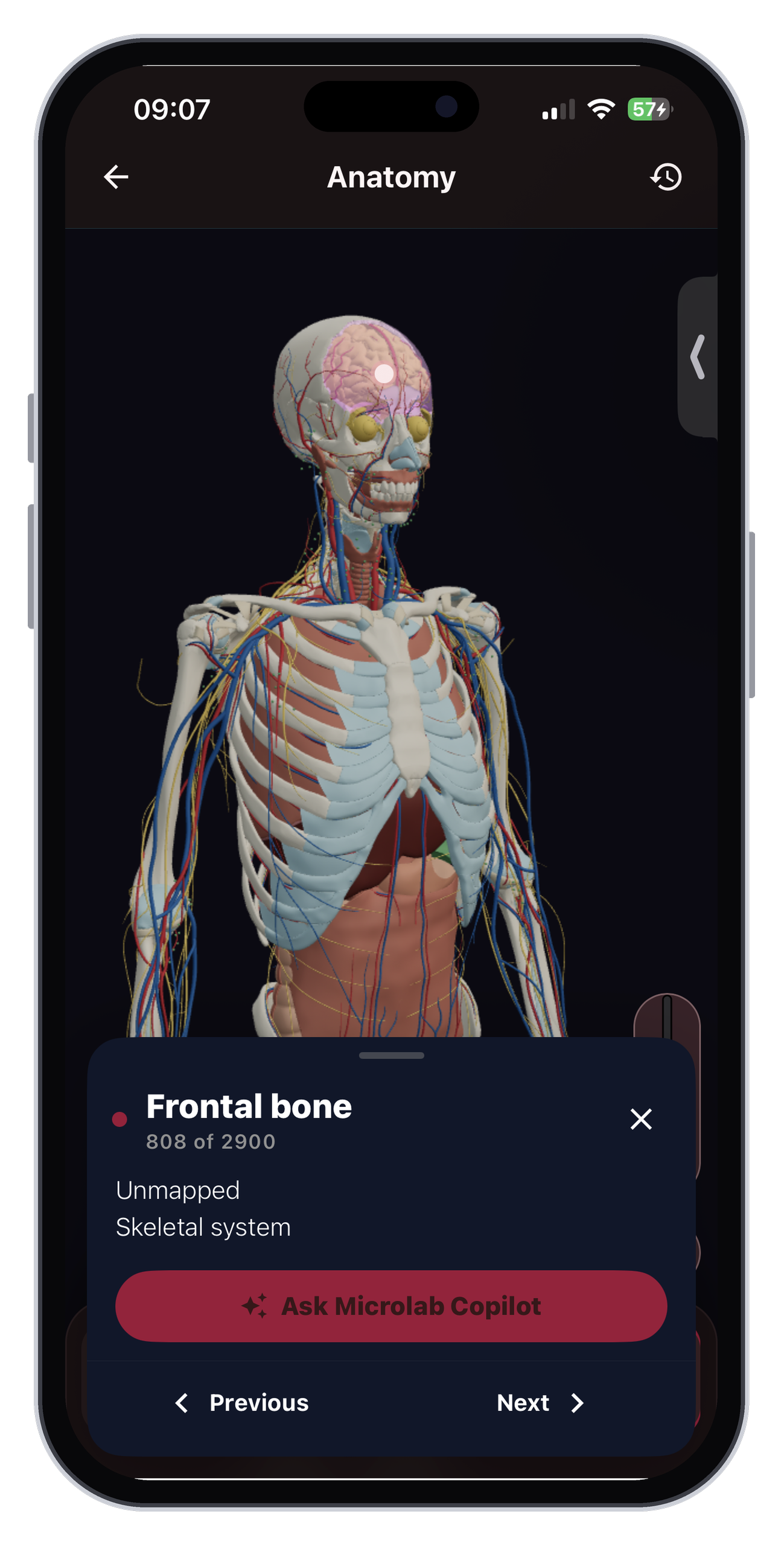
Visual aids can also be beneficial. Diagrams illustrating the limb bud formation and signalling pathways can provide a clearer understanding of how these processes interlink.
Conclusion
Mastering the stages of limb development is crucial not just for academic success but also for understanding the implications of congenital conditions in clinical practice. By using mnemonics and visual learning tools, you can simplify this complex topic and ensure you’re well-prepared for your exams. Remember, practice makes perfect!
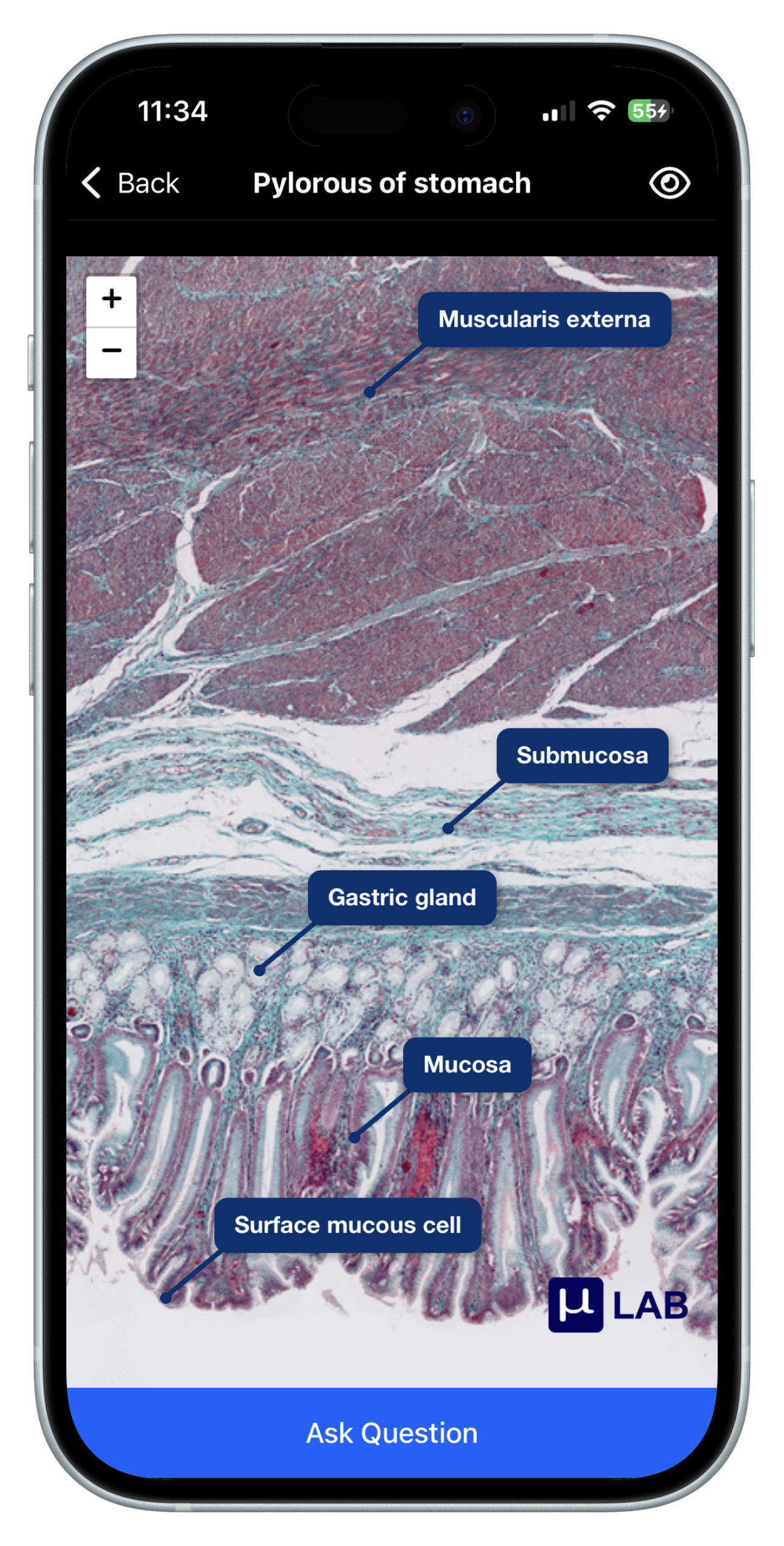
To further reinforce your learning, you can practice with interactive flashcards and quizzes on Microlab.
Leave a Reply