

Why Quick Slide Identification Matters in Exams
Histology slide identification is a fundamental skill for medical students, particularly during practical exams. The ability to quickly and accurately identify slides can mean the difference between passing and failing. In a timed exam setting, every second counts, and being well-prepared can significantly enhance your performance.
Key Strategies for Fast Slide Recognition
When time is limited, having a strategy for slide identification is crucial. Here are some practical tips to help you improve your skills:
- Familiarise with Common Stains: Understand the staining properties of H&E, PAS, and other common stains. Knowing what structures typically appear in each can help you narrow down your options quickly.
- Focus on Key Features: Identify the hallmark features of tissues or organs. For example, look for the presence of specific cell types, unique structural arrangements, and characteristic landmarks that define tissues.
- Practice with Timed Quizzes: Use flashcards or online resources to simulate exam conditions. Set a timer and practice identifying slides to build your speed and confidence.
- Group Similar Slides: Create mental categories for slides that share characteristics. For example, group epithelial slides by their cell shapes or origin, such as squamous, cuboidal, and columnar.
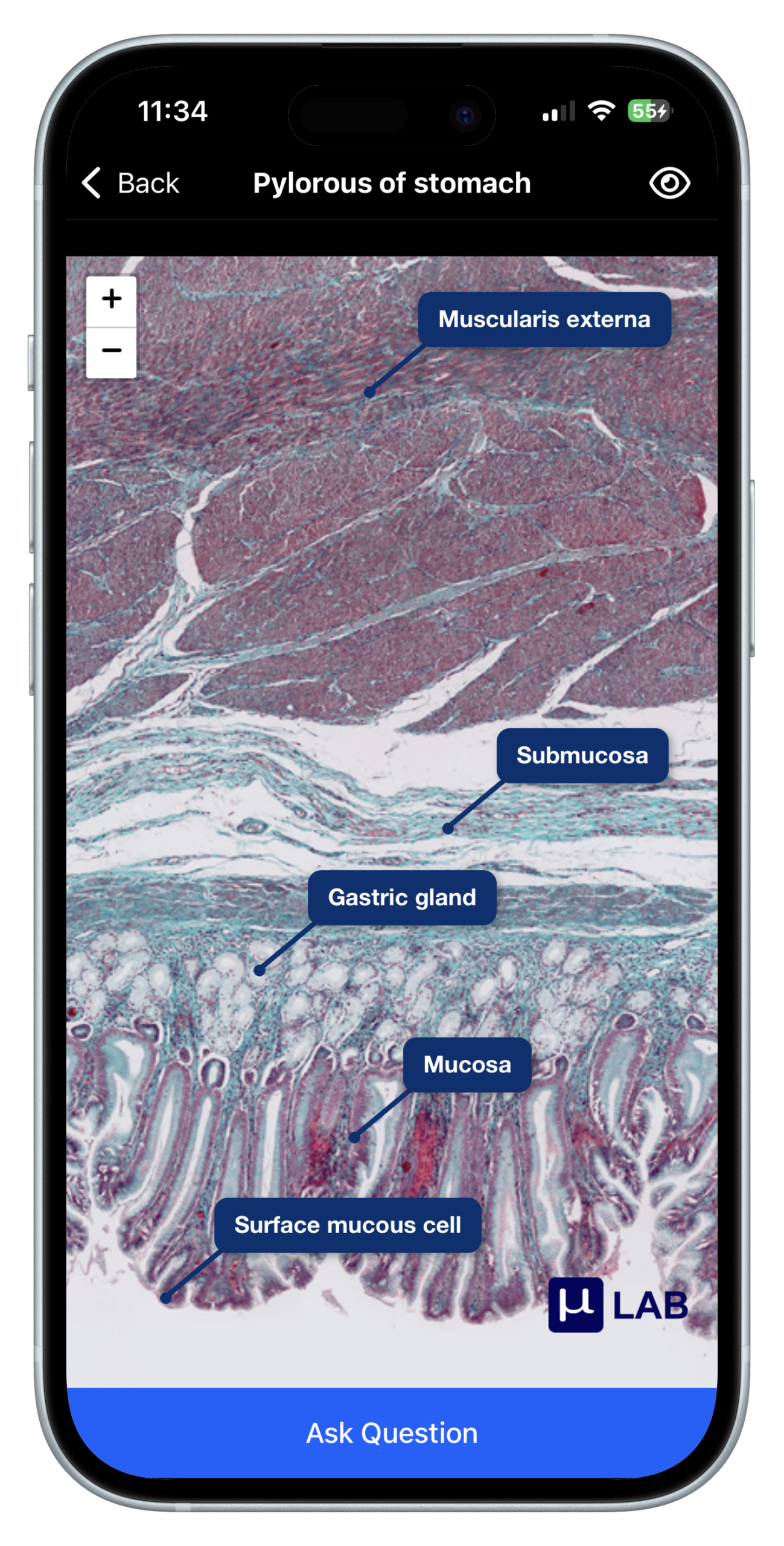
- Visual Cues: Look for unique visual cues that stand out. For instance, the distinct appearance of a glomerulus or the layering of the intestinal wall can act as immediate identifiers.
How to Remember Key Slides: Mnemonics and Patterns
When it comes to memorising slides, mnemonics can be incredibly helpful. Here are some techniques to aid your memory:
- Mnemonic Devices: Create memorable phrases or acronyms that associate key features with the tissue type. For example, for the liver, remember “Hepatic Portal (HP) – Blood in, Bile out” to recall the portal triad structures.
- Visual Patterns: Use visual patterns to help remember the layout of tissues. For example, in muscle histology, notice the striations in skeletal muscle versus the smooth appearance of cardiac muscle.
- Regular Review: Consistently revisit slides and their features. Repetition is key to retention, so spend a few minutes each day reviewing different slides to keep them fresh in your mind.
Final Thoughts
Histology slide identification under time pressure can be a challenge, but with the right strategies and tools, you can sharpen your skills. Remember to practice frequently, use mnemonic devices, and establish mental categories for different types of tissues. These techniques will enhance your ability to identify slides quickly and accurately during your exams.
Ready to enhance your histology preparation? Practice with interactive flashcards and quizzes on Microlab.
Leave a Reply