

Introduction: Why Mastering Slide IDs Matters
Histology slide identification is a critical skill for medical students, especially during exams where time is limited. Being able to quickly and accurately identify structures can not only earn you points but also enhance your understanding of tissue function and pathology. In this post, we’ll explore effective strategies to help you master histology slide IDs under pressure, ensuring you’re well-prepared for any exam scenario.
Why it Matters in Exams
In histology exams, identifying slide samples accurately can often make the difference between passing and excelling. Questions may involve recognising specific cell types, glands, or tissue architecture, making it vital to be adept at quickly recalling information. Additionally, histology is foundational for understanding pathologies, embryology, and clinical correlations, linking your slide ID skills directly to patient care scenarios.
Key Benefits of Strong Slide ID Skills
- Improved Exam Performance: Quick identification leads to more time spent on complex questions.
- Deeper Understanding: Recognising normal histology helps in identifying pathological changes.
- Clinical Relevance: Enhances your ability to relate histological findings to clinical practice.
How to Remember It: Strategies for Effective Slide Identification
Now that we understand the importance, let’s dive into some practical strategies to enhance your slide ID skills:
1. Create Visual Associations
Use colour coding, shapes, and structures to create mental images that link specific features to their histological identities. For example, associate the purple-stained nuclei in a slide with the presence of certain cell types.
2. Use Mnemonics
Develop mnemonics to remember key features of tissue types. For instance, for identifying the pancreas, you might remember “Papal Cells Produce Insulin” to recall the presence of islets of Langerhans amidst acinar cells.
3. Flashcards for Quick Recall
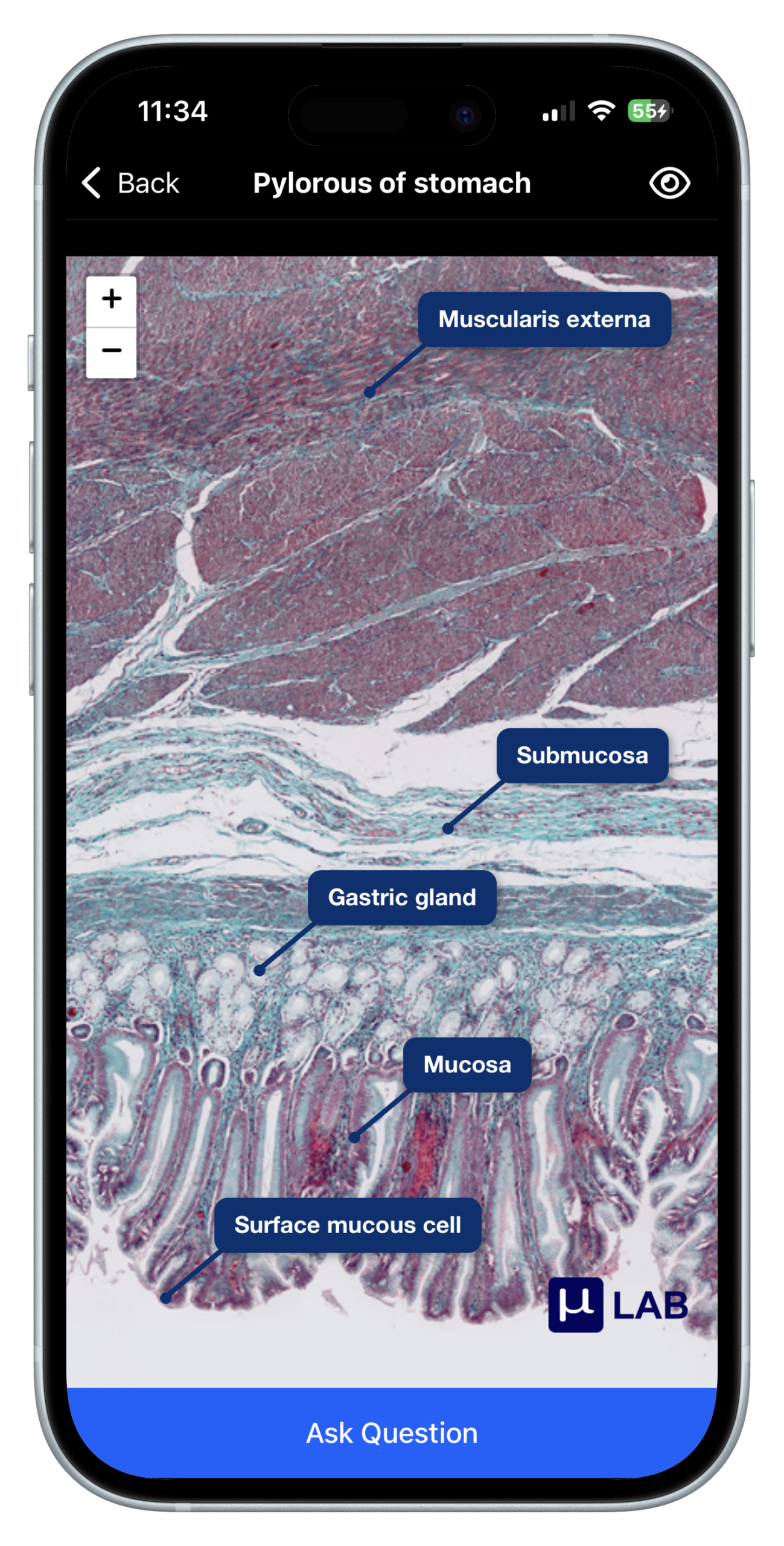
Make flashcards with images of histology slides on one side and names or key features on the other. This method is particularly useful for spaced repetition, allowing you to reinforce your memory over time.
4. Practice Under Timed Conditions
Simulate exam conditions by timing yourself as you identify slides. This helps build your speed and accuracy, making it easier to recall information under pressure.
5. Group Study Sessions
Engage in group study where you quiz each other on slide identification. Teaching others reinforces your own knowledge, and you can learn different associations that may help in remembering various tissues.
Final Thoughts
Mastering histology slide IDs under time pressure is a skill that can significantly influence your exam performance and overall understanding of medical sciences. By employing visual associations, mnemonics, timed practice, and collaborative learning, you’ll build confidence and efficiency in identifying histological slides. Remember, practice is key!
For more resources and to practice with interactive flashcards and quizzes, visit Microlab.
Leave a Reply