

Limb Development: Key Phases Every Medical Student Should Know
Limb development is an essential aspect of embryology, and understanding its key phases is crucial for medical students facing exams. This topic not only forms a cornerstone of embryologic study but also has implications in clinical scenarios, such as congenital limb deformities.
Why it Matters in Exams
Exams often test your knowledge of the stages and processes involved in limb development, including the role of various signalling pathways and the significance of specific genes. You can expect questions about:
- The major phases of limb development: initiation, outgrowth, and patterning.
- The role of the apical ectodermal ridge (AER) and the zone of polarising activity (ZPA).
- Common congenital conditions linked to limb development, such as phocomelia and syndactyly.
Understanding these concepts will help you not only in exams but also in grasping the broader implications of limb formation in medical practice.
Key Phases of Limb Development
The development of limbs can be broken down into several key phases:
- Initiation: This phase begins around the fourth week of gestation, when limb buds start to form from the lateral plate mesoderm. Signals from the underlying mesoderm trigger the overlying ectoderm to proliferate and create the limb buds.
- Outgrowth: The limb buds continue to grow in a process driven by the AER, which secretes growth factors such as fibroblast growth factor (FGF). This phase is crucial for the elongation of the limbs.
- Patterning: This involves the establishment of the anterior-posterior (ZPA) and dorsal-ventral (ectodermal) axes, guiding the differentiation of structures within the limb. Key genes like Sonic hedgehog (Shh) and Wnt are involved here.
- Final Morphogenesis: This phase includes the separation of digits and the formation of specific limb structures, influenced by apoptosis (programmed cell death) and further signalling from surrounding tissues.
How to Remember It
A useful mnemonic to remember the key phases of limb development is I O P M, which stands for:
- Initiation
- Outgrowth
- Patterning
- Morphogenesis
This simple acronym can help you recall the sequence of events and their importance in limb development.
In summary, mastering the phases of limb development equips you with essential knowledge for your exams and enhances your understanding of congenital abnormalities. Remember to review the signalling pathways and gene functions that play pivotal roles in this process.
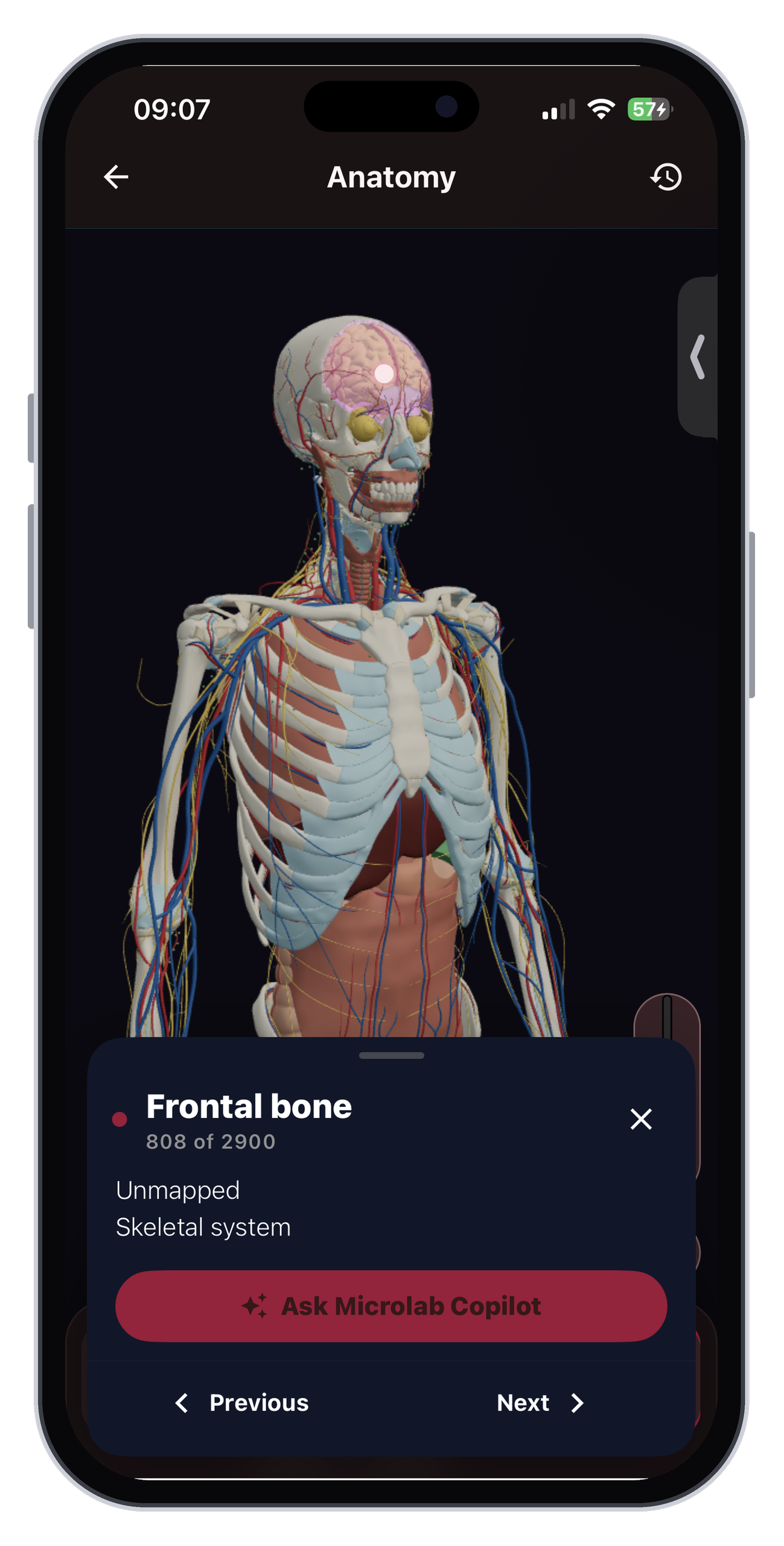
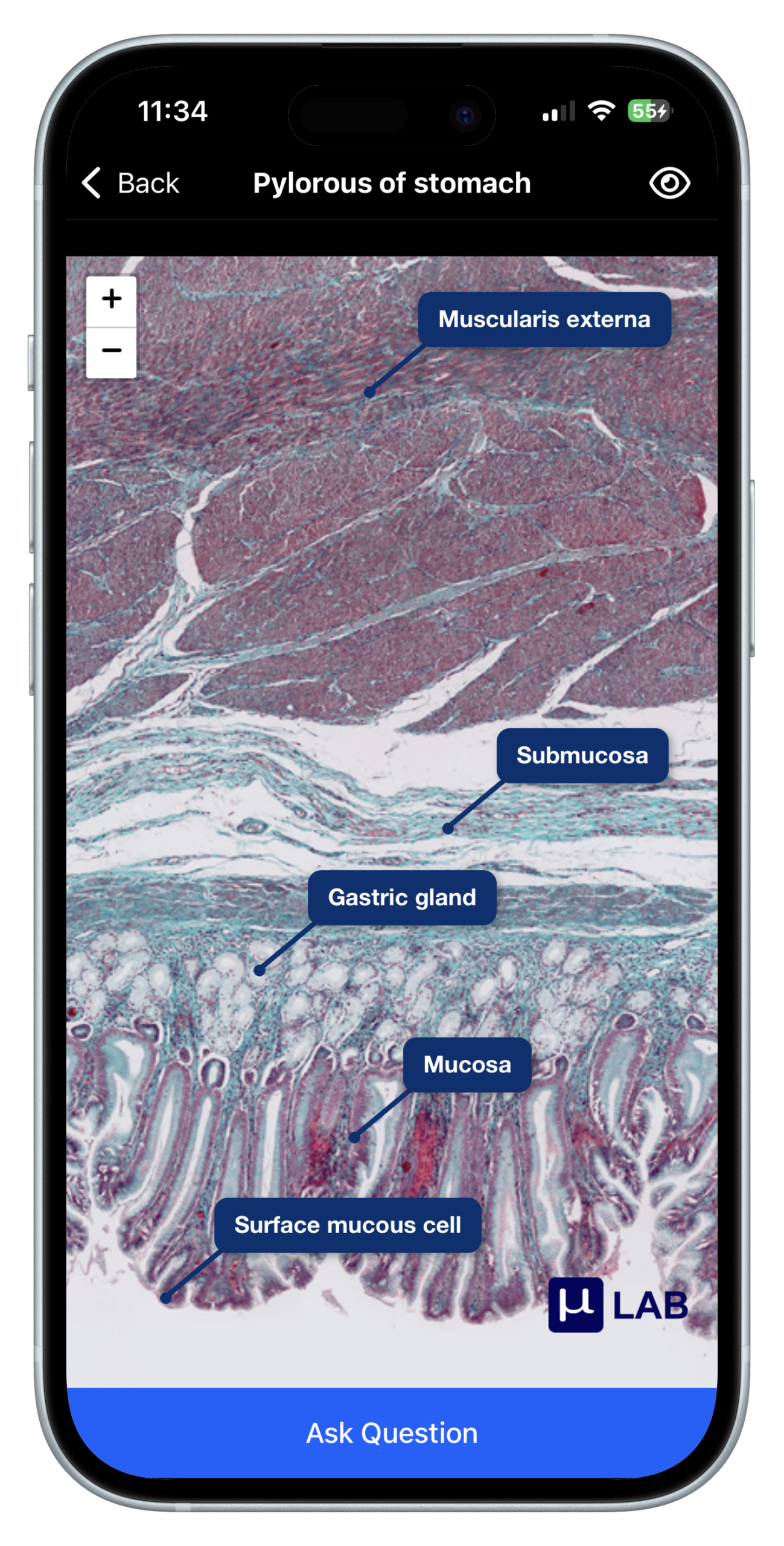
Practice with interactive flashcards and quizzes on Microlab to solidify your understanding of limb development and other embryological milestones.
Leave a Reply