

Introduction
Identifying histology slides under pressure is a skill that can make or break your performance in exams. Whether it’s the intricate details of tissue architecture or the subtle differences in cell types, knowing how to quickly recognise key features is essential for medical students.
Why It Matters in Exams
In practical exams, histology slide identification often counts for a significant portion of your marks. Many students find themselves overwhelmed by the time constraints when faced with a series of slides. The ability to swiftly pinpoint features not only boosts your confidence but also maximises your score potential. Under time pressure, having a strategic approach can make all the difference.
Developing a Slide Identification Strategy
Here are some effective strategies to sharpen your slide identification skills:
- Know Your Stains: Familiarise yourself with common stains like H&E, PAS, and Giemsa. Each stain highlights specific structures, so understanding their colour patterns will expedite your recognition process.
- Focus on Key Features: Identify hallmark features of specific tissues. For instance, when looking at muscle tissue, determine if it’s striated or smooth, and whether it’s skeletal or cardiac based on additional features like intercalated discs.
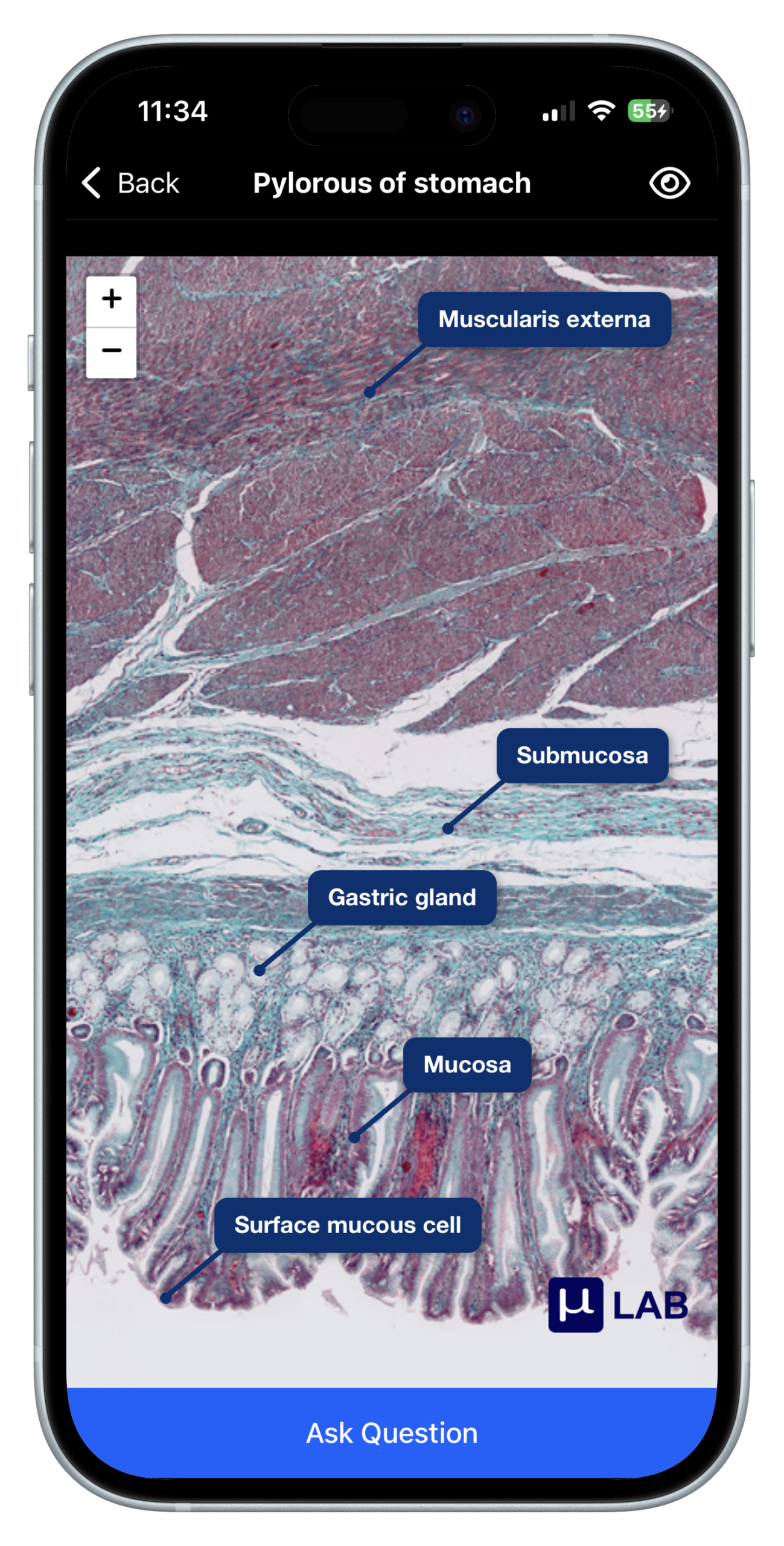
- Practice with Flashcards: Create flashcards with images of common histology slides on one side and their identification details on the other. Regularly testing yourself can significantly improve recall under exam conditions.
- Group Similar Tissues: When studying, group slides of similar tissues together. This helps in making distinctions easier during exams. For example, comparing different types of epithelial cells can clarify their unique characteristics.
- Time Yourself: During practice sessions, set a timer for slide identification. This mimics exam conditions and helps build your confidence in making quick decisions.
How to Remember It
To make the process of remembering slide characteristics easier, consider using mnemonics:
- “Epithelial Layers Are Always Simple”: This mnemonic can help you recall that simple squamous, cuboidal, and columnar epithelia are critical to identify.
- “Muscle Stands Strong”: This can remind you that skeletal muscle is striated and voluntary, while cardiac muscle contains intercalated discs.
- “Connective Tissue’s Core”: Remember that connective tissues often have a diverse matrix and can include features like collagen fibres or elastic fibres depending on their type.
Final Thoughts
Mastering histology slide identification under time pressure is achievable with the right strategies. Focus on understanding key features, applying practice techniques, and using mnemonics to enhance your recall abilities. With consistent practice, you’ll find yourself navigating histology exams with greater ease and confidence.
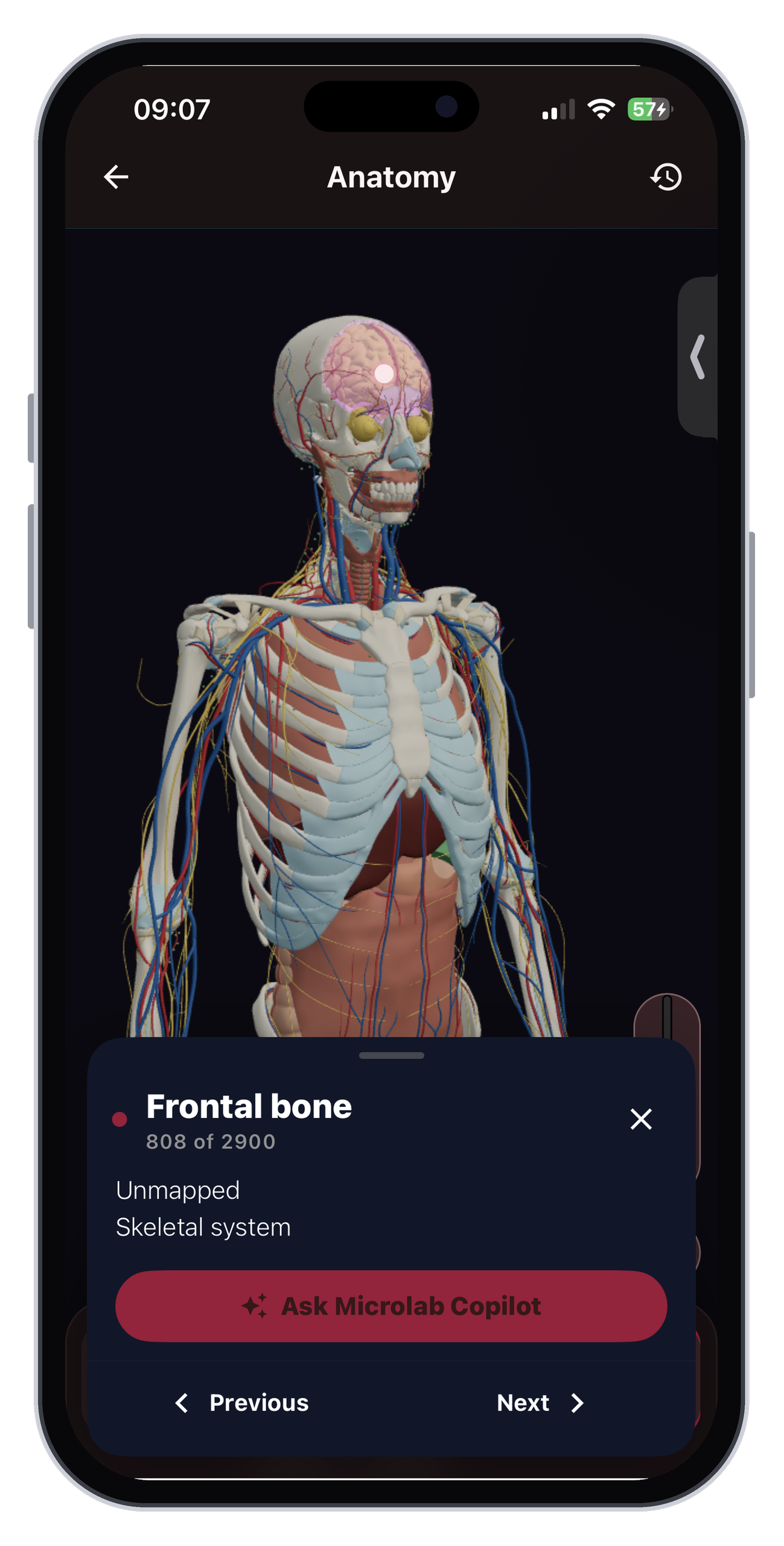
Practice with interactive flashcards and quizzes on Microlab to further enhance your histology skills and ensure you’re fully prepared for your exams.
Leave a Reply