

Understanding Rapid Recognition in Histology
As a medical student, mastering histology slide identification can feel daunting, especially under the time pressure of exams. Rapid recognition of key features can not only save you precious minutes but also bolster your confidence when faced with an array of slides.
Why it Matters in Exams
Many exams, including practical assessments, require you to identify cells and tissue types quickly. A significant portion of your histology marks can come from slide identification, making it essential to develop effective strategies for rapid recognition. This skill becomes even more critical when you’re racing against the clock, as misidentification can lead to lost points and increased anxiety.
Key Strategies for Quick Identification
- Familiarise Yourself with Common Stains: Understanding the different stains used in histology, like H&E, PAS, and Masson’s Trichrome, can help you quickly identify tissue types. Each stain highlights specific cellular components, so knowing what to look for can streamline your recognition process.
- Focus on Landmark Structures: Different tissues have characteristic structures that can serve as landmarks. For example, when identifying lung tissue, look for alveoli; in kidney slides, focus on glomeruli. Recognising these features allows you to categorise tissues rapidly.
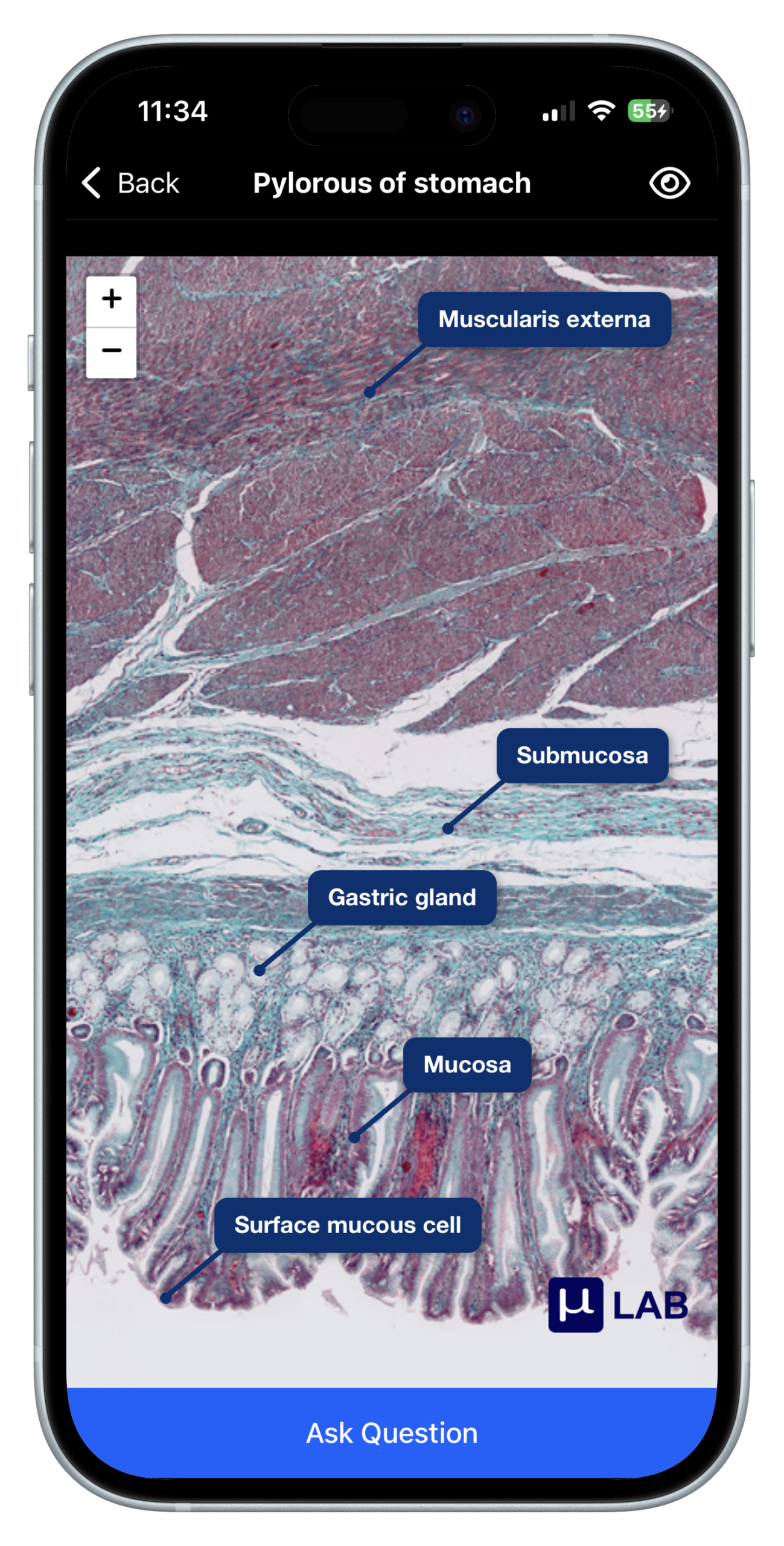
- Practice with High-Quality Resources: Make use of virtual microscopy platforms or histology atlases. The more you practice, the faster you’ll become at identifying features. Aim for variety in your practice materials to cover a wide range of tissue types.
- Use Mnemonics: Create simple mnemonics to remember key characteristics of specific tissues. For instance, “C’ for Cartilage and “B” for Bone can help you remember that cartilage is typically more smooth and avascular while bone is dense and vascular.
- Collaborate with Peers: Study groups can be beneficial. Explain your thought process as you identify slides to others. Teaching is a great way to reinforce your learning and can expose you to new identification techniques.
How to Remember It
To aid in quick recall, consider this mnemonic for the layers of the skin when identifying histological slides: “Come, Let’s Get Sun Burned” — Corneum, Lucidum, Granulosum, Spinosum, Basale. Applying such mnemonics can significantly reduce the time spent on identification during exams.
Additionally, develop a checklist for slide identification that includes:
- Type of tissue (epithelial, connective, muscular, nervous)
- Key features or landmarks
- Staining characteristics
This systematic approach will not only help in exams but also solidify your understanding of histological structures for your future medical practice.
Conclusion
Being able to identify histology slides quickly and accurately is a skill that can significantly impact your exam performance. With consistent practice and the strategies outlined here, you can enhance your rapid recognition abilities and face your assessments with confidence.
Practice with interactive flashcards and quizzes on Microlab to further solidify your histology knowledge!
Leave a Reply