

Understanding the Challenge
Histology exams can be daunting, especially when you’re racing against the clock to identify various tissue types and structures on slides. With a combination of visual acuity and recall, it’s crucial to develop effective strategies to enhance your slide identification skills under time pressure.
Why It Matters in Exams
Identifying histology slides accurately can significantly impact your exam performance, as many assessments include practical components where you must demonstrate your understanding of tissue structures. Furthermore, mastering this skill not only helps you in exams but also reinforces your grasp of anatomy and physiology, which is vital for your future medical, dental, or veterinary practice.
Key Tips for Quick Slide Identification
- Familiarise Yourself with Common Slides: Spend time reviewing the most commonly tested histology slides. Structures like epithelial tissues, connective tissues, and muscle types frequently appear in exams.
- Use a Systematic Approach: When looking at a slide, take a moment to identify the basic features systematically: first note the overall type of tissue, then zoom in on cell shape, arrangement, and any specific characteristics like staining patterns.
- Practice with Timed Sessions: Simulate exam conditions by practicing with slides under timed conditions. This will help you get used to working quickly and efficiently.
- Group Study Sessions: Studying with peers can expose you to different perspectives and identification techniques. You can quiz each other on slide identification to reinforce your learning.
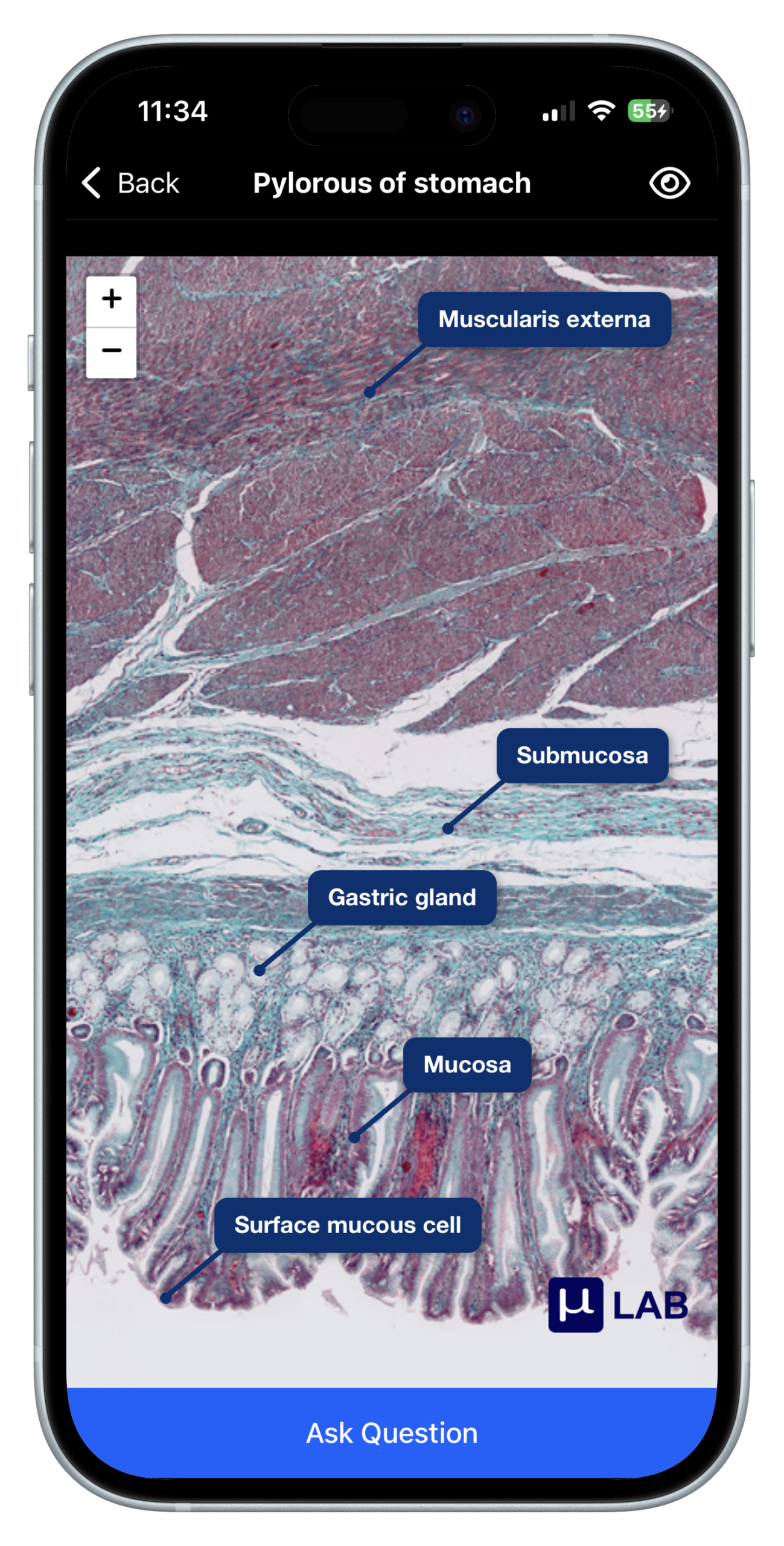
- Utilise Flashcards: Create flashcards with images of histological slides on one side and key identifying features on the other. Review these regularly to enhance your recall speed.
How to Remember It
To help you remember the key features of histology slides during exams, consider using the mnemonic “SAFETY”:
- S: Shape of the cells
- A: Arrangement (layers or clusters)
- F: Function (what the tissue does)
- E: Exceptionally unique features (like cilia or goblet cells)
- T: Tissue type (epithelium, connective, etc.)
- Y: Your notes (refer back to your study materials for any uncertain features)
This mnemonic not only helps you remember what to focus on during slide identification but also encourages a methodical approach that can alleviate time pressure.
Final Thoughts
Mastering slide identification is an essential skill for medical, dental, and vet students alike. By developing a systematic approach and employing study strategies, you can improve your performance under pressure. Remember, practice is key, so make the most of your study time leading up to the exam!
For more resources and tools to aid your histology studies, practice with interactive flashcards and quizzes on Microlab.
Leave a Reply