

Mastering Histology Slide Identification
When it comes to histology exams, being able to quickly and accurately identify slides is crucial. The pressure of time can make this task daunting, but with the right strategies, you can enhance your slide recognition skills and ace those exams. In this post, we’ll explore practical tips to help you navigate histology slide IDs under exam pressure.
Why It Matters in Exams
Histology slide identification is a common component of many medical exams, including practical assessments and written tests. A solid understanding of histological structures not only boosts your grades but also lays the foundation for clinical practice. Being able to identify tissue types, pathological changes, or specific features can make all the difference in your exam performance. In fact, the ability to recall these structures under time constraints is often what separates high achievers from the rest.
Effective Strategies for Slide Identification
- Familiarise Yourself with Common Slides: Start with the most frequently encountered slides in your curriculum. These could include liver, kidney, lung, and muscle tissues. Get comfortable with their unique characteristics and any pathological variations.
- Use Flashcards: Create flashcards with images of slides on one side and key identifying features on the other. This active recall method is effective for memorisation and helps reinforce your knowledge.
- Practice with Timed Quizzes: Set a timer while practising slide identification. Challenge yourself to identify slides within a specific timeframe, mimicking exam conditions. This will help you build speed and confidence.
- Group Study Sessions: Collaborate with peers to quiz each other on slide identification. Explaining your thought process out loud can enhance your understanding and retention.
- Focus on Key Features: When identifying a slide, focus on the most distinguishing features. For instance, look for specific cell types, arrangement, and staining characteristics that set one tissue apart from another.
- Adapt to the Exam Format: Understand the format of your upcoming exam. Are you required to identify slides under a microscope or from a digital image? Tailor your practice based on this format.
How to Remember It
Using a mnemonic can significantly aid memory retention during exams. Here’s a simple one to remember the four key types of tissue you might encounter:
“MICE” – Muscle, Immune (connective), Connective tissue, Epithelial
This mnemonic helps you remember the fundamental tissue types, ensuring you don’t overlook any crucial details during slide identification.
Final Thoughts
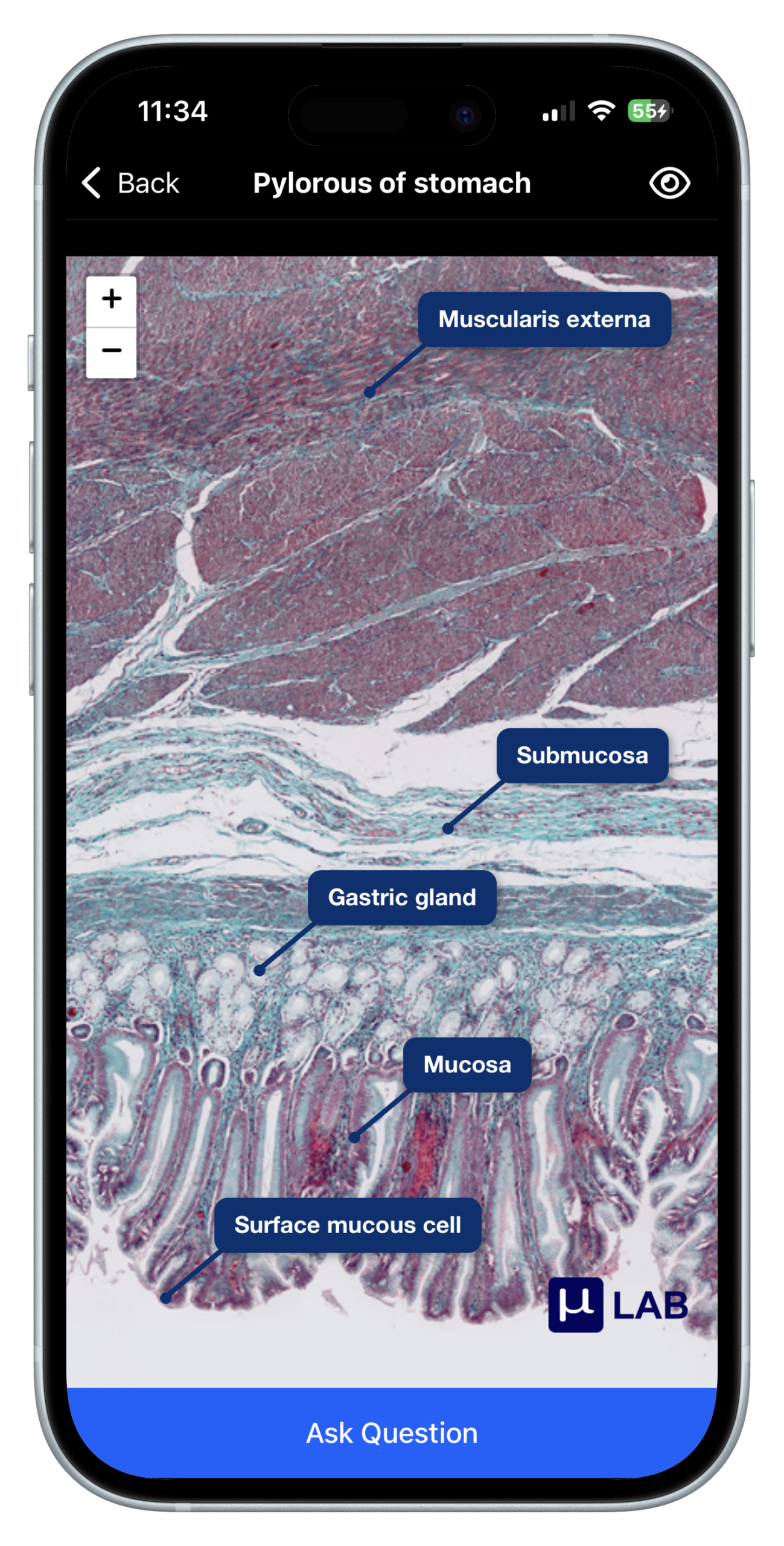
With regular practice and the right strategies, you can enhance your ability to identify histology slides quickly and accurately, even under exam pressure. Dive into your study sessions with confidence and remember to utilise resources like interactive flashcards and quizzes to reinforce your learning. Practice with interactive flashcards and quizzes on Microlab to further sharpen your skills and get ready for your histology exams!
Leave a Reply