

Understanding Ovarian Follicle Stages
When studying reproductive histology, one of the key concepts that often comes up is the ovarian follicle stages. These stages play a significant role in female reproduction and provide essential insights into ovarian function and hormonal regulation. Knowing how to identify each stage can be crucial for medical students, especially those preparing for exams that test histological knowledge.
Why it Matters in Exams
The ovarian follicle stages are important not only for understanding normal reproductive physiology but also for recognising potential pathologies. In histology exams, you might be asked to identify specific types of follicles or understand their roles in the menstrual cycle. The stages include:
- Primordial Follicle: The earliest stage, consisting of a primary oocyte surrounded by a single layer of flat follicular cells.
- Primary Follicle: Characterised by the growth of follicular cells into cuboidal shape and the formation of the zona pellucida.
- Secondary Follicle: Contains multiple layers of granulosa cells and the beginning of antrum formation, a fluid-filled space.
- Tertiary (Graafian) Follicle: The mature follicle ready for ovulation, showing a large antrum and a well-defined cumulus oophorus.
- Corpus Luteum: Formed after ovulation, this structure is responsible for hormone production to maintain the uterine lining.
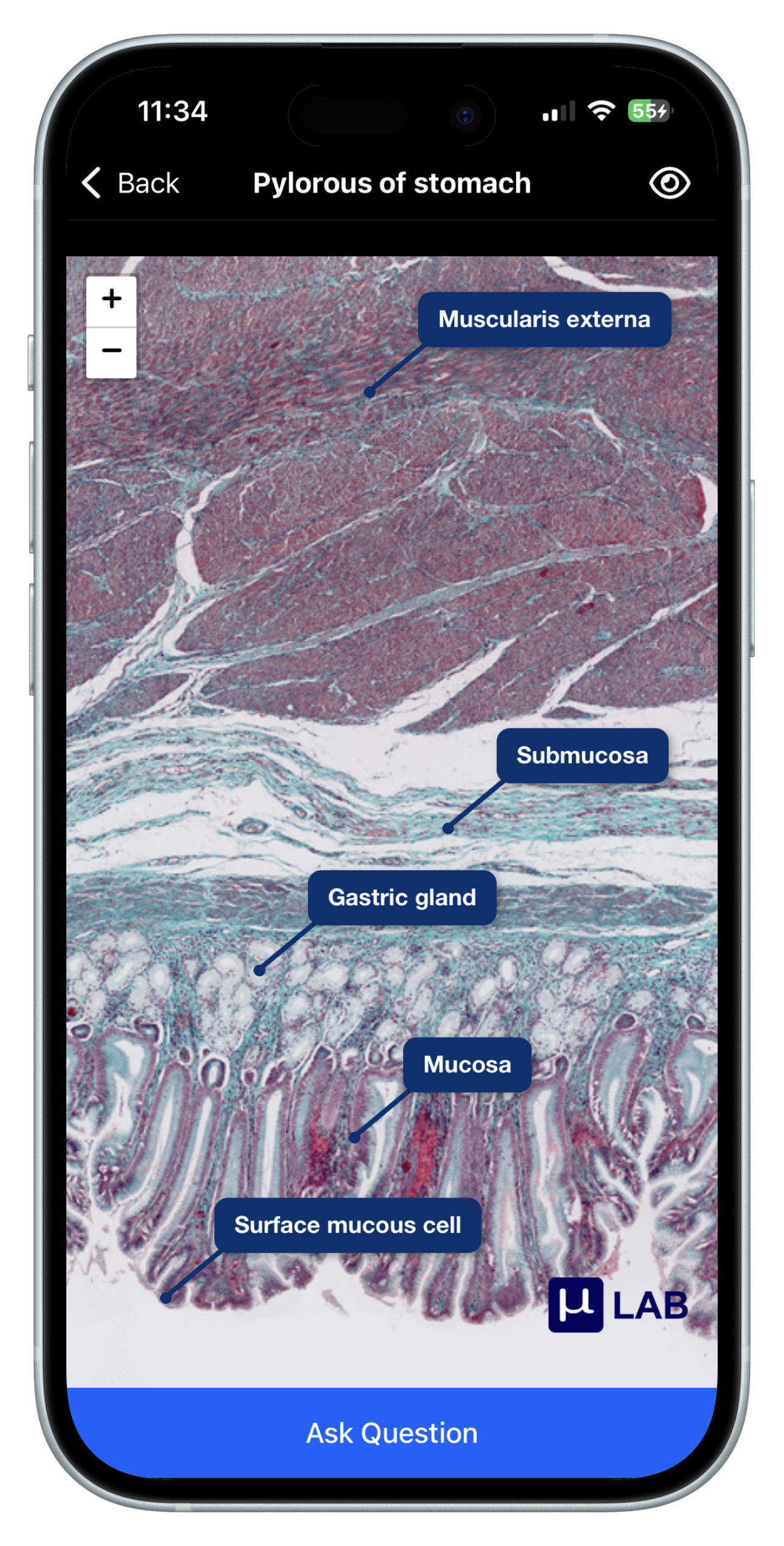
Recognising these stages under the microscope can be essential for histology practical exams, where detailed knowledge is often tested.
How to Remember It
One effective mnemonic to remember the stages of ovarian follicle development is P-P-S-T-C:
- Primordial Follicle
- Primary Follicle
- Secondary Follicle
- Tertiary Follicle
- Corpus Luteum
Each letter corresponds to a specific stage, making it easier to recall the order. Additionally, visual aids like histological slides or diagrams can further reinforce your understanding.
In summary, getting a firm grasp on ovarian follicle stages is vital for any medical student. Not only does it aid in understanding female reproductive health, but it also equips you with the knowledge needed for exams. For further practice, consider engaging with interactive resources to solidify your understanding.
Practice with interactive flashcards and quizzes on Microlab.
Leave a Reply