

Introduction: Why Histology Slide IDs Matter
Identifying histology slides under time pressure can be daunting, especially during exams. For medical students, mastering this skill not only enhances understanding of tissue structures but also boosts confidence when tackling practical assessments. In this post, we will explore effective strategies to help you efficiently recognise histology slides, allowing you to maximise your time and performance.
Why It Matters in Exams
Histology slide identification is a common component of practical examinations in medical, dental, and veterinary studies. Often, students find themselves under immense time constraints when asked to identify various tissue types or pathological changes on a slide. Being proficient in this area can significantly affect your overall exam score. In fact, a solid grasp of histological features can bridge the gap between theoretical knowledge and clinical application, making it a vital skill for future practitioners.
Strategies for Efficient Slide Identification
- Familiarise Yourself with Common Slides: Start by identifying the most frequently encountered slides in your curriculum. Create a checklist of key features for each slide type, such as epithelial tissues, connective tissues, and muscle types.
- Use a Systematic Approach: Develop a standardised method for analysis. Begin by assessing the overall structure before diving into cellular details. For example, identify whether the tissue is dense or loose, and then move to more specific features.
- Practice with Timed Quizzes: Use practice exams and flashcards that mimic exam conditions. Set a timer to simulate the pressure of an actual exam, helping you get accustomed to time constraints while identifying slides.
- Group Study Sessions: Engaging in group study can help reinforce your knowledge. Quiz each other on slide identification and discuss the key characteristics that differentiate similar tissues.
- Utilise Visual Aids: Create visual aids or charts that summarise important histological features. Colour coding various tissue types can make it easier to recall information quickly during exams.
How to Remember It
Memory techniques can further enhance your slide identification skills. Consider these methods:
- Mneumonics: Create mnemonics for histological features that are challenging to remember. For instance, for connective tissues, you could use the phrase “DREAMS” to stand for Dense, Reticular, Elastic, Adipose, Mucous, and Supportive.
- Pattern Recognition: Train yourself to recognise patterns in histological slides. For example, note that striations are characteristic of skeletal muscle, while smooth muscle appears more uniform and lacks these markings.
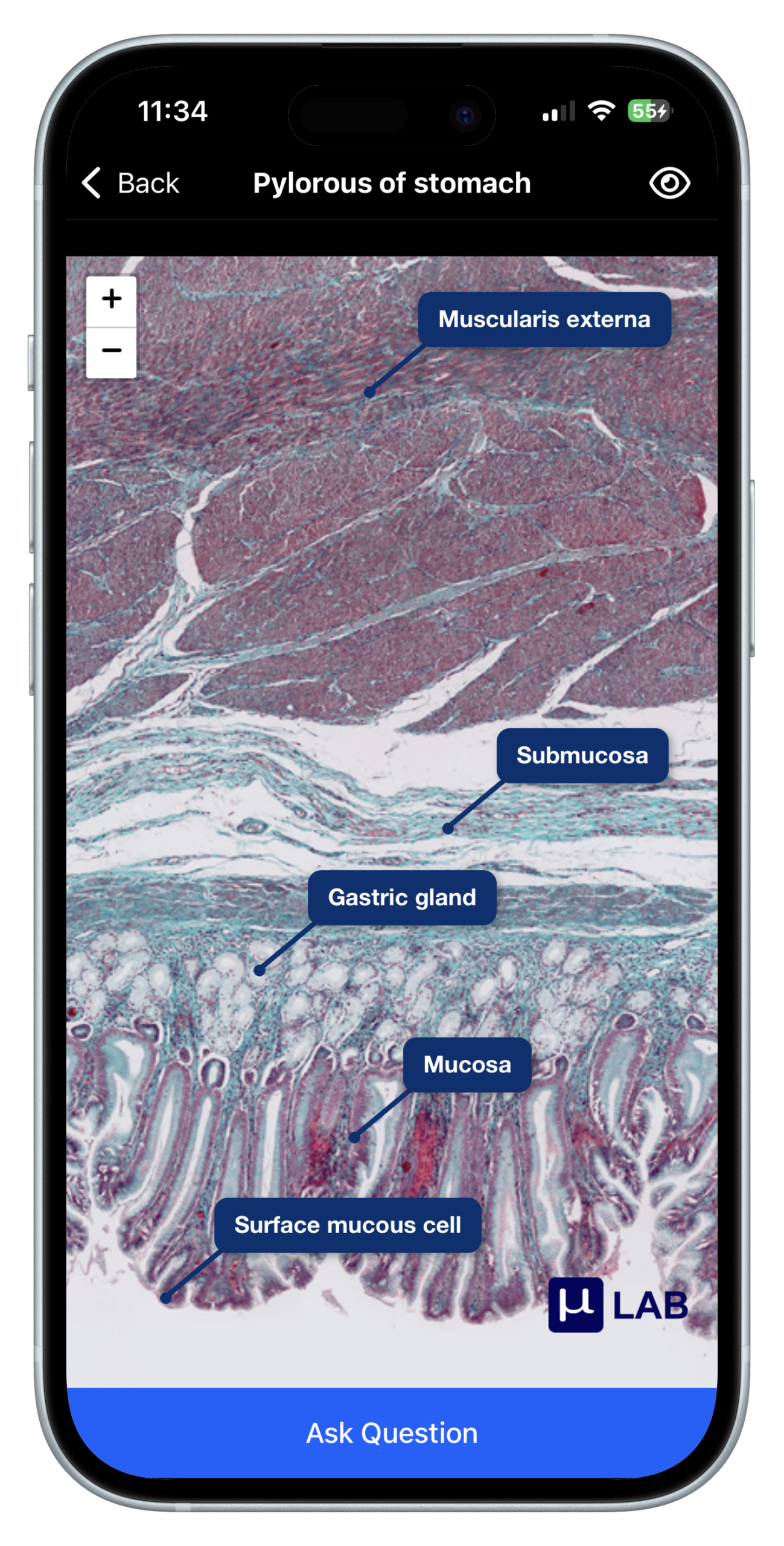
- Flashcards: Develop a set of flashcards with images of histology slides on one side and key identifiers on the other. This active recall technique is particularly effective for memorisation.
Conclusion
Mastering histology slide identification under time pressure is a skill that can greatly enhance your performance in exams. By employing systematic approaches, utilising memory techniques, and practising regularly, you’ll build the confidence necessary to excel. Remember, it’s all about recognising patterns and key features efficiently. For additional resources, including interactive flashcards and quizzes to reinforce your learning, visit Microlab.
Leave a Reply