

Introduction
As a medical student, you know that identifying histology slides can feel like a race against the clock during exams. Mastering the art of slide ID not only boosts your confidence but can also make a significant difference in your overall performance. In this post, we’ll dive into time-management strategies tailored specifically for histology slide identification, helping you maximise your efficiency when it matters most.
Why it Matters in Exams
Histology slide identification is a common component of medical exams and often carries a hefty weight in your overall score. Being able to quickly and accurately identify tissue types, structures, and pathological changes can set you apart from your peers. Moreover, many exams are structured to test not just knowledge but also your ability to apply that knowledge under time constraints. By mastering time-management strategies, you can improve your performance and reduce anxiety during those crucial moments.
Key Strategies
- Prioritise Slides: Familiarise yourself with which types of slides are most frequently tested. Focus your revision on these to ensure you have a strong base.
- Practice Under Time Pressure: Simulate exam conditions by timing yourself while identifying slides. This practice not only helps with speed but also builds familiarity.
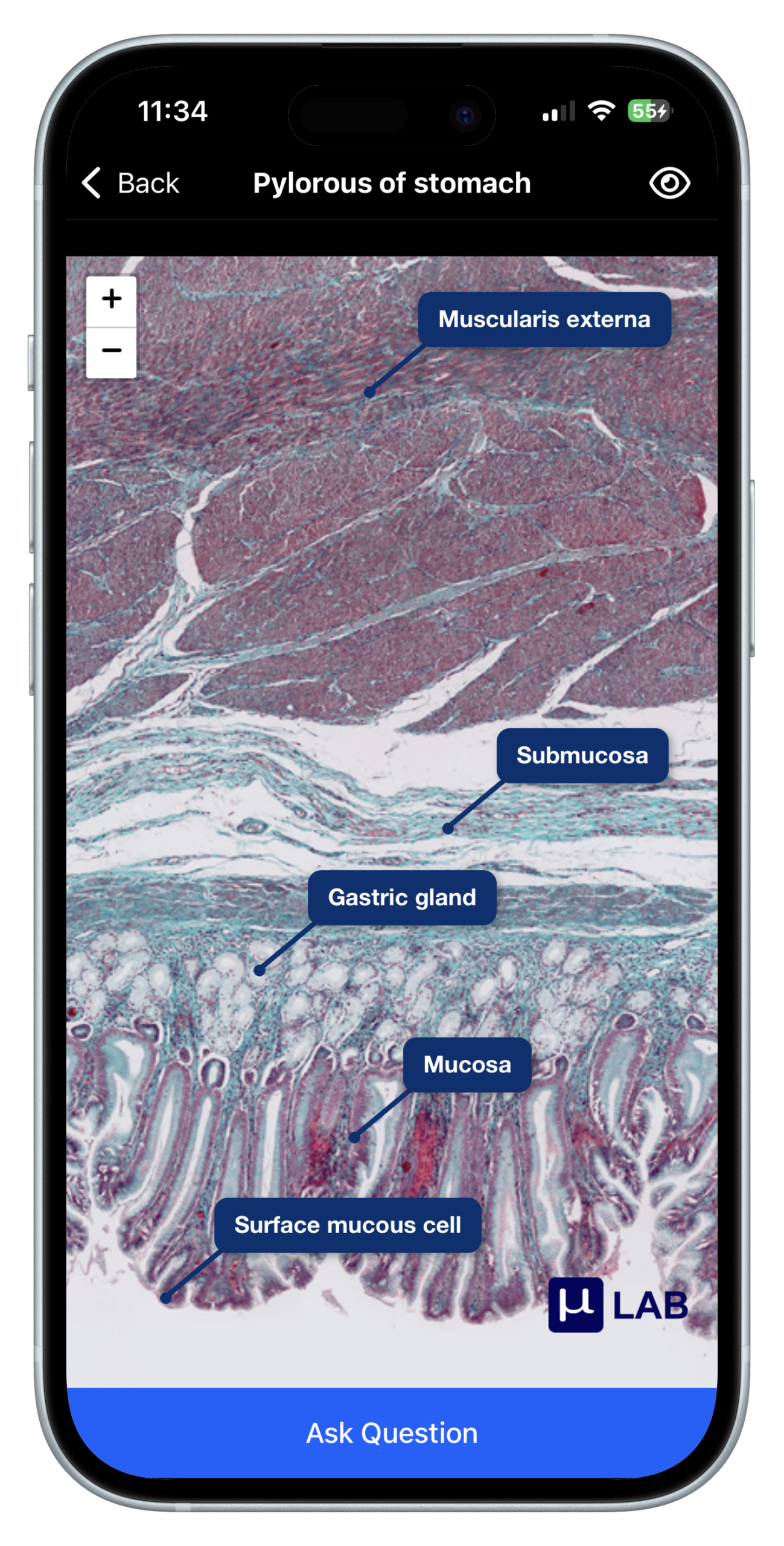
- Develop a Quick-Scan Method: Train your eyes to quickly identify key features of common tissues. Look for defining characteristics like cell shape, arrangement, and staining properties.
- Use Flashcards: Create flashcards with images of slides on one side and key identifying features on the other. Regularly quiz yourself to reinforce your memory.
- Group Study Sessions: Engaging in group study can help you learn new techniques for slide identification and allow you to share different perspectives.
How to Remember It
To ease the pressure during your exams, use mnemonics and visualisation techniques. Here are a few tips:
- Visual Patterns: Create mental images of histological features. For instance, for identifying different types of connective tissues, remember that “Adipose is like a cushion, Cartilage is like a soft gel, Bone is like a hard shell.”
- Mnemonic Devices: Use acronyms to recall the characteristics of different tissues. For example, “Epithelial Layers Protect” can remind you of the structure of epithelial tissues: E for stratified, L for layers, and P for protection.
- Flashcard Images: When creating your flashcards, incorporate images that you can easily recall visually during the exam. This taps into your visual memory, which can be faster than verbal recall.
Final Thoughts
Time pressure during histology exams can be daunting, but with the right strategies in place, you can streamline your slide identification effectively. By prioritising your study materials, practising under timed conditions, and using memorable techniques, you’ll be well prepared to tackle any slide that comes your way. Remember, practice makes perfect — so keep honing those skills!
Practice with interactive flashcards and quizzes on Microlab to further solidify your histology knowledge and slide identification skills.
Leave a Reply