

Understanding the Cerebral Cortex Layers
The cerebral cortex is a vital part of the brain, responsible for numerous higher-order functions, including cognition, perception, and motor control. For medical students, understanding the structure and function of the cortex layers is essential, especially for exams focused on neuroanatomy and histology.
Why it Matters in Exams
Exams often include questions on the anatomy and the specific roles of each layer within the cerebral cortex. The cortex is organised into six distinct layers, known as laminae, each with unique cell types and functions:
- Layer I (Molecular Layer): Primarily composed of axons and dendrites, this layer contains few cell bodies and serves as a communication zone for information processing.
- Layer II (External Granular Layer): Contains small pyramidal cells and granule cells that can receive inputs from nearby layers and contribute to local processing.
- Layer III (External Pyramidal Layer): Features larger pyramidal cells that project to other cortical areas, facilitating inter-cortical communication.
- Layer IV (Internal Granular Layer): A critical input layer primarily receiving sensory information from the thalamus, especially prominent in sensory cortices.
- Layer V (Internal Pyramidal Layer): Contains large pyramidal neurons that send outputs to subcortical structures, including the brainstem and spinal cord, playing a key role in motor control.
- Layer VI (Multiform Layer): Composed of varied cell types, this layer sends projections to the thalamus, thus influencing sensory processing.
Understanding these layers helps you appreciate how various brain functions are integrated and processed, which is vital for both exams and clinical applications.
How to Remember It
A useful mnemonic to remember the order and function of the cerebral cortex layers is: “My Elephant Enjoys Going Past Mice”, where each initial stands for:
- M – Molecular Layer (Layer I)
- E – External Granular Layer (Layer II)
- E – External Pyramidal Layer (Layer III)
- G – Internal Granular Layer (Layer IV)
- P – Internal Pyramidal Layer (Layer V)
- M – Multiform Layer (Layer VI)
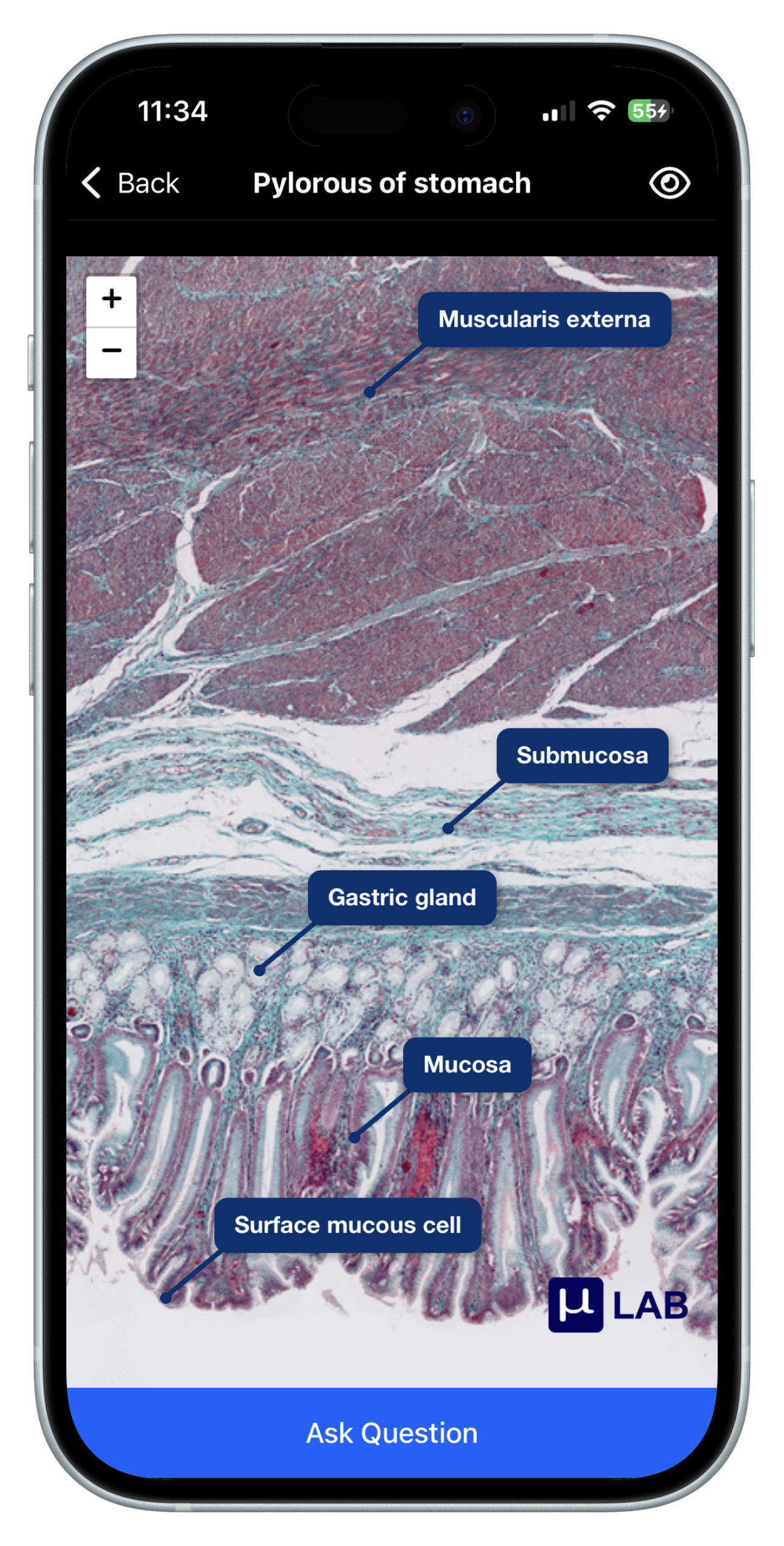
Visualising this mnemonic with a simple diagram can also help reinforce your memory. When studying histology slides, pay attention to the distinct features of each layer and how they relate to the function of the cortex.
Mastering the layers of the cerebral cortex not only aids in your exams but also enhances your understanding of brain function and pathology. For further practice, explore interactive flashcards and quizzes on Microlab.
Leave a Reply