

Introduction
Identifying histology slides under pressure can be a daunting task for medical students, especially during exams. Knowing the key features of various tissues and cells can not only boost your confidence but also improve your performance. This guide will explore effective strategies to help you recognise histological structures quickly and accurately.
Why it Matters in Exams
Histology slide identification is a common component of practical exams in medical school. In many cases, you may only have a limited amount of time to analyse slides and answer questions. Understanding the significance of various tissue types and their microscopic features is essential for several reasons:
- High Yield Material: Histology is often closely linked to pathology, physiology, and anatomy, making it crucial for a comprehensive understanding of medicine.
- Exam Scoring: Many examinations allocate a substantial percentage of marks to slide identification, so it’s vital to master this skill.
- Clinical Relevance: Identifying histological features can aid in diagnosing conditions, enhancing your clinical skills as a future healthcare provider.
Strategies for Effective Slide Identification
Here are some strategies to enhance your ability to identify histology slides quickly:
- Familiarise Yourself with Common Structures: Start by getting to know the most commonly tested tissues, such as epithelium, connective tissue, muscle, and nervous tissue. Understand their key features, such as cell shapes, arrangement, and staining properties.
- Practice with Flashcards: Create flashcards of histological slides with images on one side and key features and functions on the other. This technique reinforces memory and helps you recall details quickly.
- Focus on Staining Techniques: Knowing how different stains highlight certain features can speed up your slide identification. For instance, remember that hematoxylin stains nuclei blue, while eosin stains cytoplasm pink.
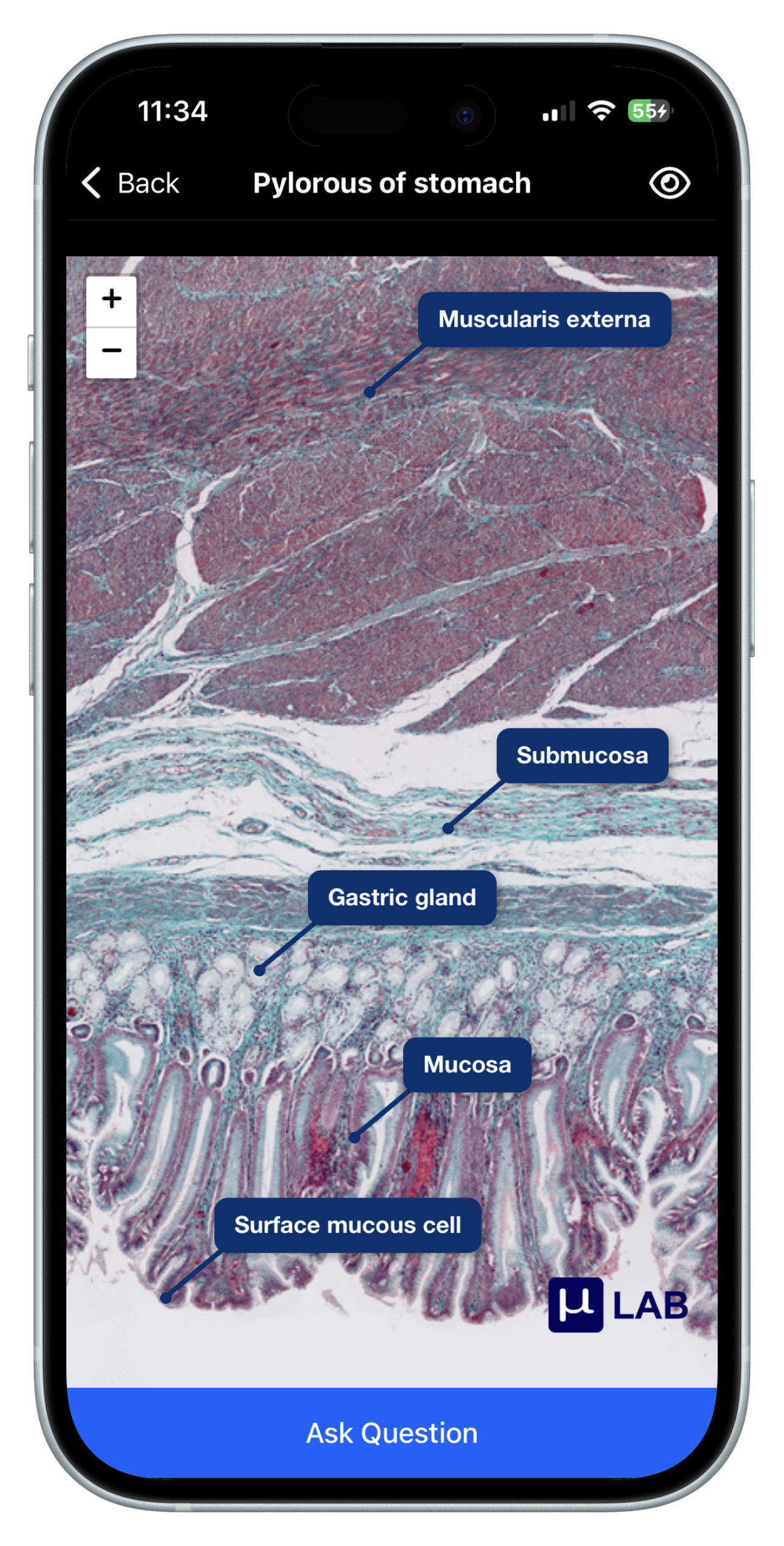
- Utilise Online Resources: Websites and applications with histology resources often provide quizzes and virtual slides. Using these tools can enhance your familiarity with various tissues.
- Group Study Sessions: Studying in groups allows you to quiz each other on slide identification, helping to reinforce your knowledge through discussion and collaboration.
How to Remember It
Mnemonics can be incredibly helpful in memorising histology concepts. Here’s a simple mnemonic to remember the major types of epithelial tissue:
“Simple Cubes Are Easy, Columnar Giants Are Tall”
This mnemonic helps you recall:
- Simple: Simple squamous epithelium
- Cubes: Cuboidal epithelium
- Easy: Simple columnar epithelium
- Columnar: Stratified columnar epithelium
- Giants: Stratified squamous epithelium
- Tall: Transitional epithelium
Additionally, creating visual associations with each type of tissue can further aid in retention. For example, envisioning a simple cube to represent simple cuboidal epithelium can help solidify the connection.
Conclusion
Histology slide identification doesn’t have to be intimidating. By employing effective study strategies, creating mnemonics, and practising regularly, you can improve your ability to identify slides under time pressure. Remember, like any other skill, mastery comes with consistent practice. So dive into those slides and don’t hesitate to seek out resources that can support your learning journey.
For more practice and interactive materials, visit Microlab for flashcards and quizzes designed to help you succeed in your histology studies!
Leave a Reply