

Introduction
Histology slide identification can be daunting, especially during exams when time is limited. Mastering this skill is crucial for medical students, as it not only tests your knowledge but also your ability to quickly apply it under pressure. In this post, we’ll explore essential strategies to help you identify histology slides efficiently and effectively.
Why it Matters in Exams
Exam scenarios often present histology slides that must be identified in a matter of minutes. A clear understanding of slide characteristics, tissue types, and staining techniques is vital for making quick, accurate identifications. This skill not only contributes to your overall exam score but also prepares you for clinical settings where rapid assessment of tissue samples is crucial.
Strategies for Quick Slide Identification
- Familiarise Yourself with Common Tissues: Develop a strong foundation by studying the most frequently encountered tissue types, such as epithelium, connective tissue, muscle, and nervous tissue. Understanding their key features will help you recognise them quickly.
- Focus on Staining Patterns: Different stains highlight specific cellular components. For instance, H&E stains nuclei blue and cytoplasm pink, while special stains like PAS can reveal carbohydrates. Knowing what each stain reveals can speed up your identification process.
- Use a Systematic Approach: Establish a step-by-step method for slide analysis. Start with identifying the tissue type, then move on to cellular details, and finally check for any unique features. This structured approach can help mitigate panic when time is short.
- Practice with Timed Quizzes: Use flashcards and online resources to challenge yourself with timed slide identification quizzes. Regular practice under exam-like conditions can enhance your speed and confidence.
- Group Study Sessions: Collaborate with peers to quiz each other on slide identification. Explaining your thought process to others can reinforce your understanding and improve retention.
How to Remember It
To help with retention, consider using mnemonics for the key characteristics of different tissue types. For example, remember the phrase “Epithelial Layers Always Have Many Cells” (ELAHMC) to recall that epithelial tissues have distinct layers, abundant cells, and minimal extracellular matrix. This kind of mnemonic can simplify complex concepts and make them easier to recall during exams.
Another useful technique is the “SIGHT” method for slide identification: Structure, Identification, Groups, Highlights, Tissue type. By following this pattern, you can systematically evaluate each slide.
Conclusion
Histology slide identification under time pressure is an essential skill for medical students. By familiarising yourself with common tissues, employing systematic strategies, and practising regularly, you can enhance your ability to identify slides quickly and accurately. Remember, practice makes perfect, so make use of resources like Microlab to further refine your skills!
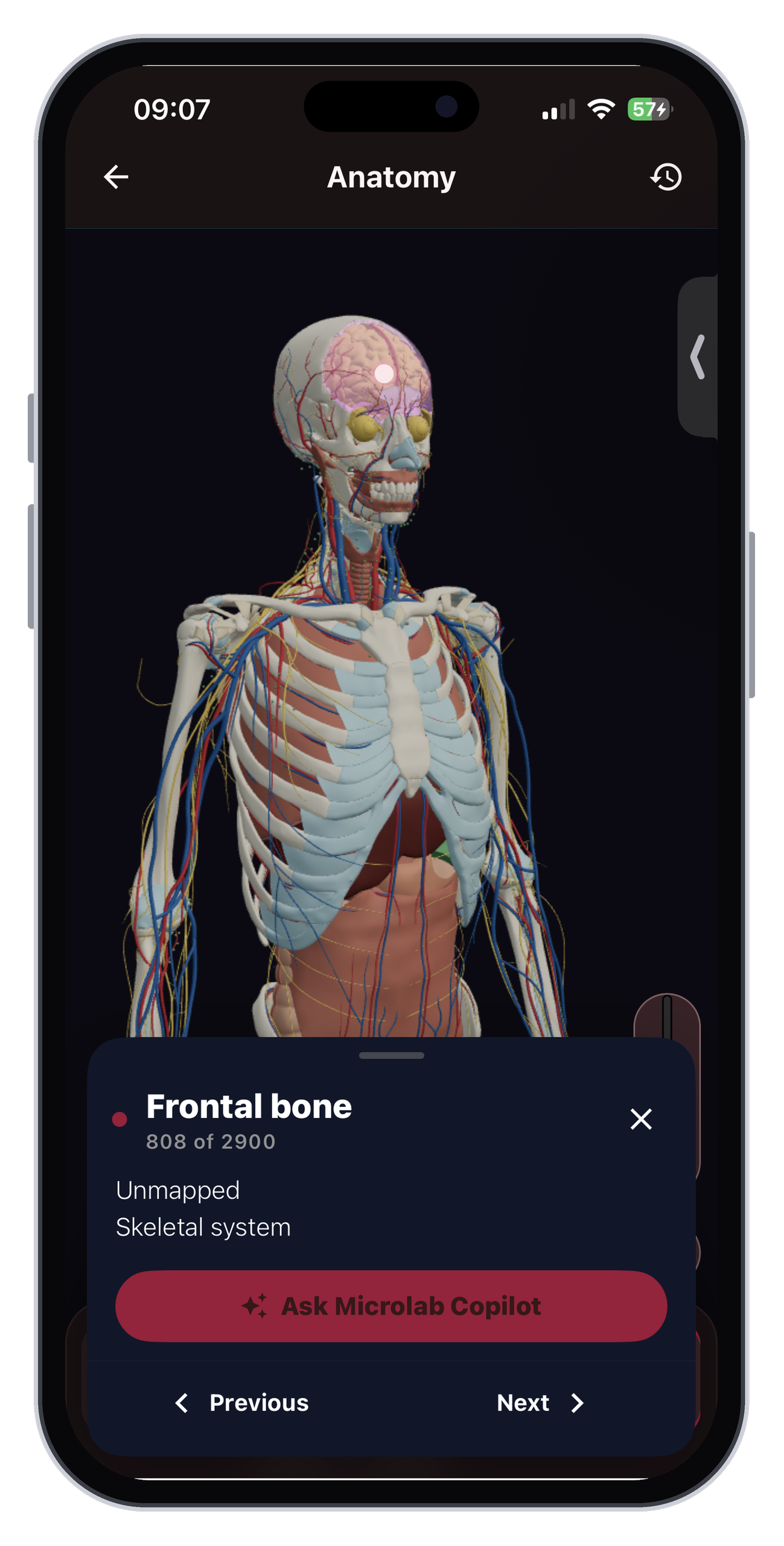
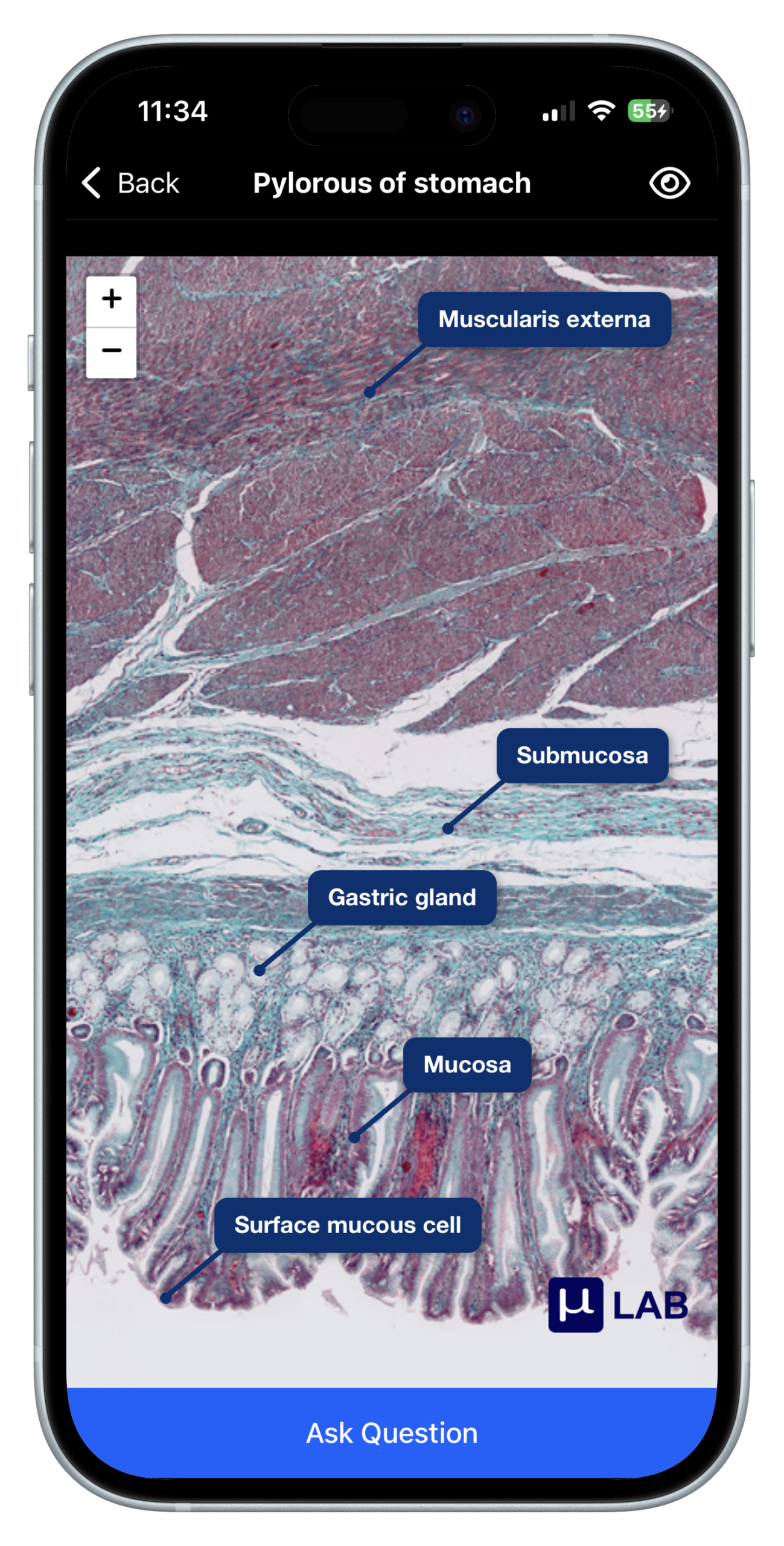
Practice with interactive flashcards and quizzes on Microlab.
Leave a Reply