

Introduction
Histology slide identification can be a nerve-wracking part of your exams, especially when time is tight. Understanding the key features of tissue types, cellular structures, and staining properties is crucial for medical students striving to excel in their histology assessments. This guide will equip you with effective strategies to identify histology slides quickly and accurately under exam pressure.
Why It Matters in Exams
In clinical exams, histology slides can be a significant portion of your grade. The ability to rapidly recognise and differentiate between various tissues not only demonstrates your knowledge of anatomy but also your understanding of their functions and clinical relevance. Here are a few reasons why mastering slide IDs is essential:
- Time Management: Exams often have strict time limits, and being able to identify slides quickly can save you valuable minutes.
- Comprehensive Understanding: Histology is the foundation of understanding pathology, so a solid grasp of tissue types helps in diagnosing diseases.
- Clinical Relevance: Recognising normal versus pathological tissue is crucial for future practice as a clinician.
How to Remember It
Remembering histology slides under pressure can be daunting, but employing a few strategic techniques can make the process easier. Here are some tips:
- Use Mnemonics: Create simple mnemonic devices to associate slide features with their respective tissues. For example, for identifying epithelial tissues, think of the word PATCH:
- P: Pseudostratified
- A: Alveolar (simple cuboidal)
- T: Transitional
- C: Cuboidal
- H: Columnar
- Focus on Key Features: For each tissue type, identify one or two standout features. For example, when looking at muscle tissue, remember that skeletal muscle has striations and multiple nuclei, while cardiac muscle has intercalated discs.
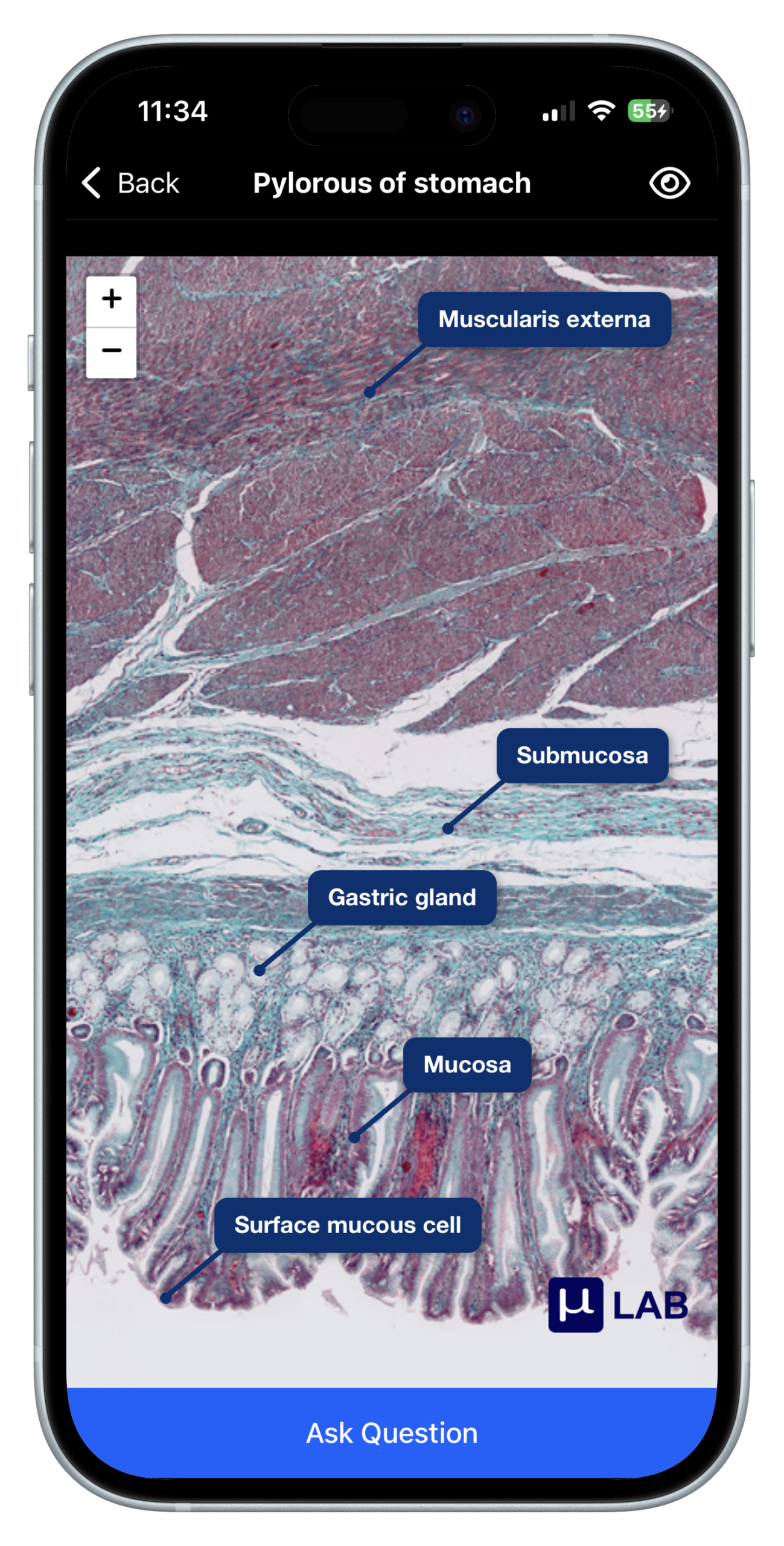
- Practice with Flashcards: Create flashcards with high-quality images of histology slides on one side and tissue identifiers and key features on the other. Regular practice with these cards can enhance recognition speed.
- Group Study Sessions: Collaborate with peers to quiz each other on slide identification. Teaching others can reinforce your own knowledge.
Exam Simulation
To truly prepare for histology slide identification under time pressure, consider simulating exam conditions. You can set a timer and challenge yourself to identify a series of slides within a limited timeframe. This practice will help you develop the speed and accuracy needed during the actual exams.
Conclusion
Mastering histology slide identification takes time and practice, but with these strategies, you can improve your skills and boost your confidence. Remember, the key is to stay calm, focus on the essential features, and trust your preparation. For more practice, check out interactive flashcards and quizzes designed to help med students succeed in histology on Microlab.
Leave a Reply