

Introduction
Histology slide identification can feel like a high-pressure game show during exams, especially when time is ticking away. Knowing how to rapidly recognise key features in slides is essential for medical students aiming for top marks. In this guide, we’ll explore practical techniques to help you identify histological structures swiftly and accurately.
Why It Matters in Exams
Histology is a core component of medical education, and slide identification is crucial during practical exams. Being able to quickly pinpoint structures not only saves time but also boosts your confidence. Many examiners use histology slides to test your understanding of tissue types and their functions, making this a vital skill for your success as a med student.
Key Techniques for Rapid Recognition
- Create a Slide Identification Checklist: Develop a checklist that includes key features of common tissue types, such as cell shape, arrangement, and staining characteristics. For example, remember that simple squamous epithelium appears as a single layer of flat cells, often with a central nucleus.
- Utilise Mnemonics: Mnemonics can help you remember specific features. For instance, to recall the layers of the skin, think of “Come, Let’s Get Sun Burned” for the layers of the epidermis: Corneum, Lucidum, Granulosum, Spinosum, and Basale.
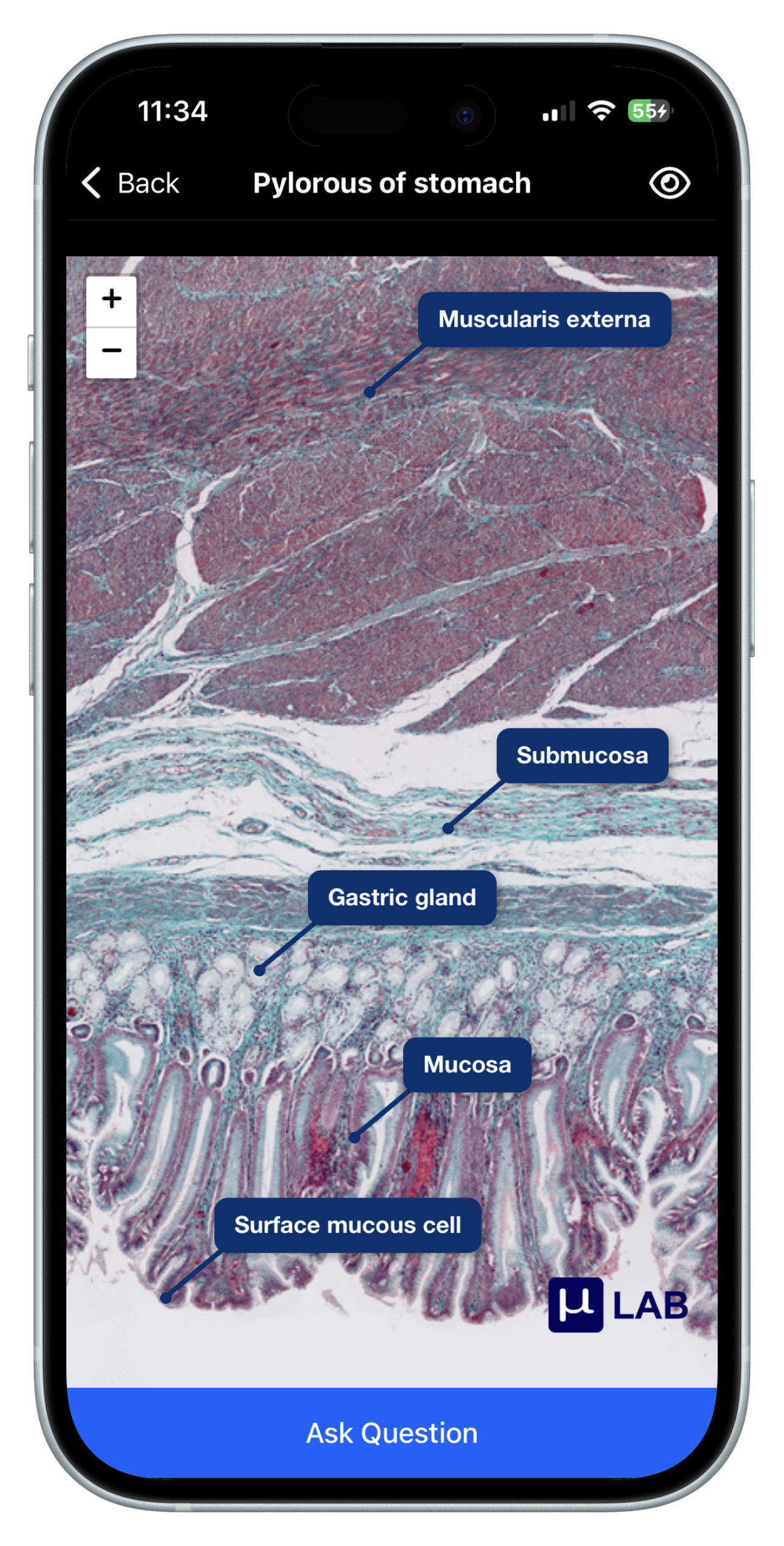
- Practice with Flashcards: Use flashcards that display images of histological slides on one side and their corresponding labels and key features on the other. Regularly quiz yourself to reinforce your memory.
- Focus on Staining Techniques: Understand how different stains highlight various structures. For instance, H&E (Hematoxylin and Eosin) stains nuclei blue and cytoplasm pink. Recognising these colours quickly can help you identify cell types at a glance.
- Engage in Group Study: Studying with peers can provide different perspectives and techniques for slide identification. Challenge each other to quickly identify slides and explain their features.
How to Remember It
Creating vivid mental images can aid in remembering histological features. Try associating certain tissues with their functions or locations in the body. For example, when thinking of cardiac muscle, envision the heart’s rhythmic contractions and link that to the striated appearance of the tissue.
Additionally, consider using a visualisation technique like ‘mind mapping’. Start with the main slide type in the centre and branch out with identifying features, functions, and clinical relevance.
Final Tips
When preparing for exams, practice under timed conditions to simulate the pressure of actual assessments. Prioritise slides you find challenging, and spend extra time reinforcing their identification. Remember, the more you expose yourself to various slides, the more familiar they will become.
Conclusion
Histology slide identification under time pressure is a skill that can be mastered with the right techniques and consistent practice. Implement these strategies, and you’ll be well on your way to feeling prepared and confident during your exams.
For more interactive practice, visit Microlab for flashcards and quizzes tailored to histology topics.
Leave a Reply