

Introduction
As a medical student, mastering histology slide identification is crucial, especially during exams when time is limited. Recognising key features in tissue slides can be the difference between a pass and a fail. In this post, we’ll explore effective strategies to improve your slide ID skills under pressure.
Why It Matters in Exams
Histology slide identification is a common component of practical exams and assessments. Being able to quickly and accurately identify tissue types, structures, and anomalies can significantly influence your overall performance. Students often lose valuable minutes struggling to identify slides, and every second counts. Familiarity with common slide types can reduce anxiety and enhance your ability to recall information under exam conditions.
Effective Strategies for Slide Identification
- Familiarise Yourself with Common Slides: Start by building a solid foundation of the most frequently examined tissues. Focus on slides such as lung, liver, kidney, and intestine. Understanding their unique features will streamline your identification process.
- Use a Systematic Approach: Develop a checklist or a systematic approach to identify key characteristics. For example, assess the overall structure, cell types present, and any specific stains used. This methodical approach will help you quickly narrow down options during exams.
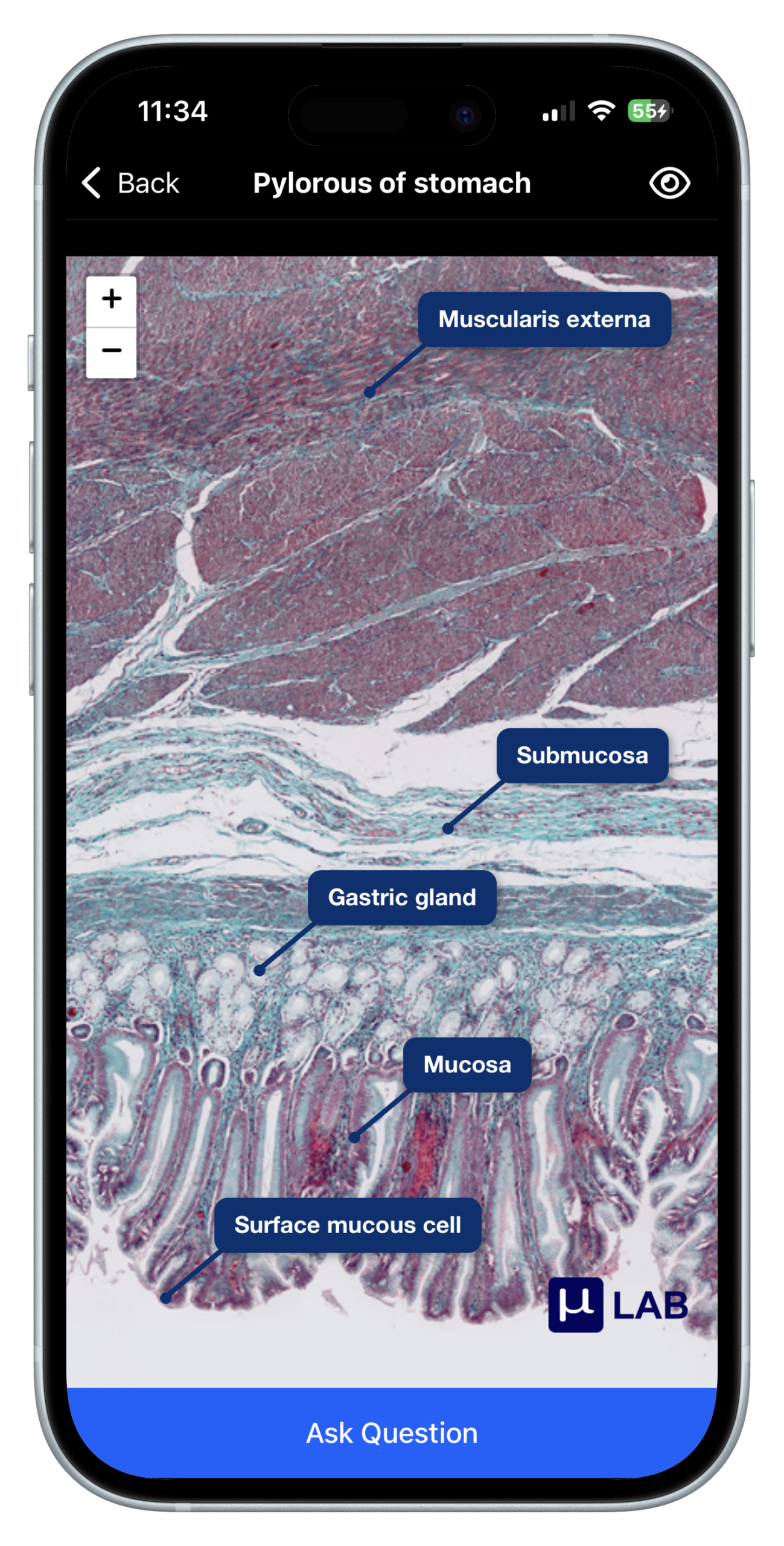
- Practice with Timed Quizzes: To replicate exam conditions, practice identifying slides under timed settings. Use flashcards or online resources that allow you to test your knowledge and speed. This will build your confidence and improve your ability to think on your feet.
- Group Study Sessions: Collaborate with peers to discuss and quiz each other on slide identifications. Explaining your thought process to others can reinforce your understanding and expose you to different perspectives on identifying tissues.
- Leverage Online Resources: Many online platforms offer histology slide collections and quizzes. Use these resources to enhance your visual memory and familiarity with various tissues.
How to Remember It
Memory aids can be incredibly useful for histology slide identification. Here’s a mnemonic to help you remember common tissue types and their associated features:
“Lilly’s Lovely Kidneys Invited Fine Lung Parties”
- Lilly’s – Liver: look for portal triads and hepatocytes.
- Lovely – Large intestine: identify goblet cells and crypts.
- Kidneys – Kidney: observe glomeruli and tubules.
- Invited – Intestine: focus on villi and microvilli structure.
- Fine – Fibrous tissues: note collagen and elastin presence.
- Lung – Lung: recognise alveoli and bronchioles.
This mnemonic encapsulates essential features for quick recall and can significantly aid in reducing the time spent on each slide.
Conclusion
Mastering histology slide identification under time pressure is a skill that can be developed with practice and strategy. By familiarising yourself with common slides, employing systematic approaches, and utilising memory aids, you can enhance your performance in exams. Don’t forget to incorporate timed practice into your study routine to build confidence and efficiency. For further resources, practice with interactive flashcards and quizzes on Microlab.
Leave a Reply