

Mastering Histology Slide Identification Under Time Pressure
Histology slide identification can be a daunting challenge for medical students, especially under the time constraints of an exam. The ability to quickly and accurately identify tissues, cells, and structures is not just crucial for passing your histology exams, but it also lays the foundation for your future clinical practice. In this post, we’ll explore essential strategies to help you excel in slide identification, even when time is not on your side.
Why it Matters in Exams
Histology is a cornerstone of medical education, forming the basis for understanding disease processes and physiological functions. In exams, you might be presented with a series of histological slides and asked to identify the tissue type or specific structures within a limited time frame. Mastering slide identification can be the difference between a passing and failing grade, making it vital for students to develop effective identification skills.
Key Strategies for Slide Identification
- Familiarise Yourself with Common Patterns: Start by learning the common histological patterns of various tissues. For example, epithelial tissues have distinct shapes (cuboidal, columnar) and layering (simple, stratified) that can be quickly recognised.
- Use a Systematic Approach: Develop a checklist for slide identification. Start with the type of tissue (epithelial, connective, muscle, or nervous), then look for specific characteristics like cell shape, arrangement, and staining properties.
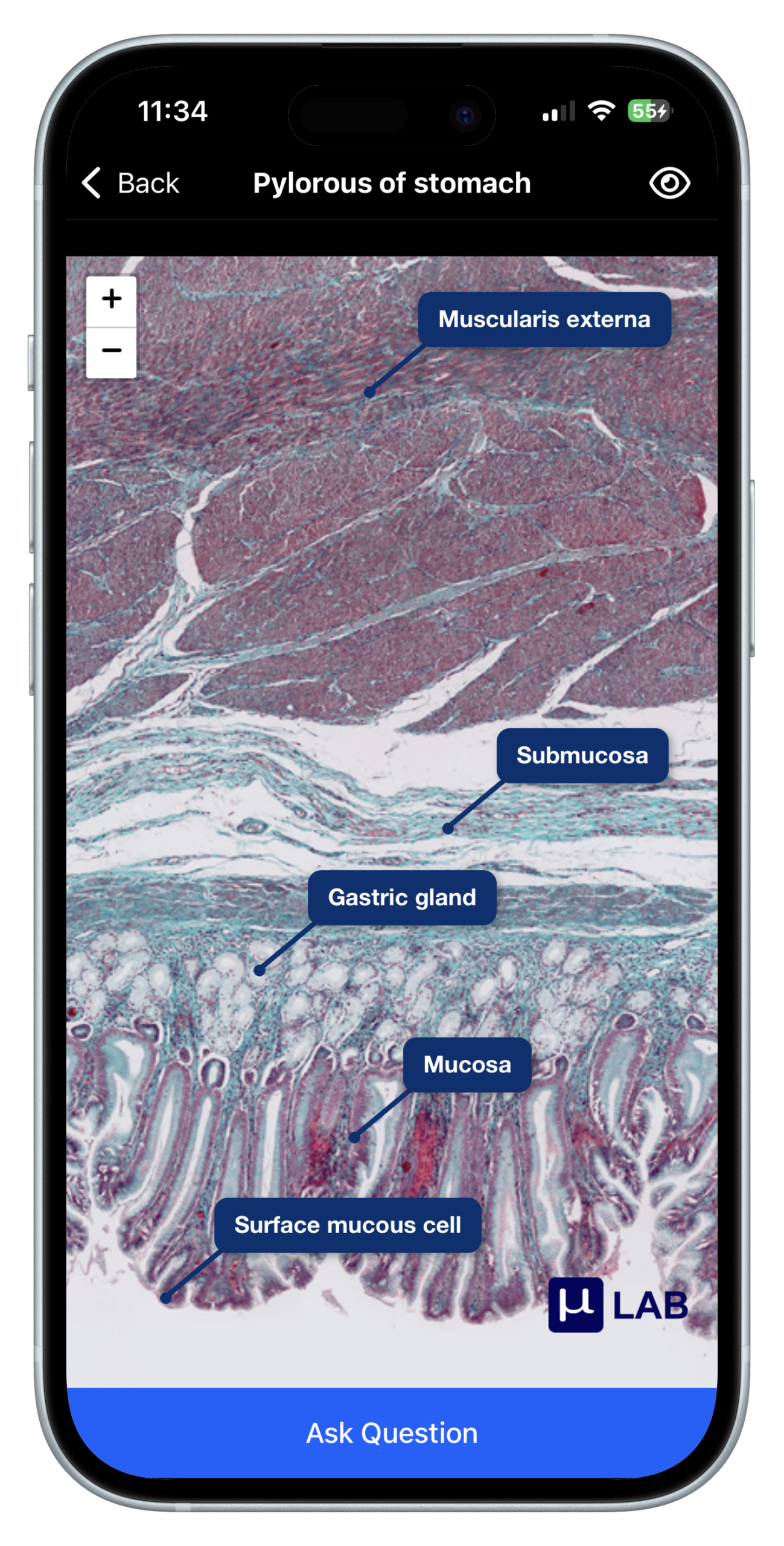
- Practice with Real Slides: Spend time in the lab examining actual histology slides. The more exposure you have, the more familiar you’ll become with the nuances and details of each tissue type.
- Group Similar Slides Together: Create study sessions where you group similar types of tissues or disease processes. This can help you recognise differences and similarities more easily.
- Time Yourself: Simulate exam conditions by timing yourself while identifying slides. This practice can help reduce anxiety and improve your speed during actual exams.
- Review Previous Exam Questions: Go through past exam papers to see the types of slides commonly presented. This will give you an idea of what to focus on during your study sessions.
How to Remember It
One effective mnemonic to remember the major tissue types is “E-C-M-N,” which stands for:
- Epithelial
- Connective
- Muscle
- Nervous
To help visualise the characteristics of epithelial tissue, remember that ‘simple’ means one layer (like a ‘single layer cake’), while ‘stratified’ means multiple layers (like a ‘layered cake’). This can assist you in quickly identifying the epithelial type based on the number of layers you observe.
Utilising Resources
In addition to practical study methods, don’t forget to utilise online resources, apps, and textbooks that offer flashcards and quizzes on histology. These can reinforce your learning and help you master the material more effectively.
Finally, remember that practice makes perfect. The more you engage with histology slides, the more confident you will become in your identification skills. With these strategies, you’ll be well-equipped to tackle histology slide identification under pressure in your exams.
For more interactive study tools, practice with interactive flashcards and quizzes on Microlab.
Leave a Reply