

Introduction
Identifying histology slides quickly and accurately can be a challenging aspect of exams for medical students. With time constraints looming, mastering slide IDs is crucial for success. This post will equip you with practical strategies to enhance your recognition skills, making the process smoother and more efficient.
Why it Matters in Exams
In histology exams, you’ll often be required to identify specific tissue types or structures on a slide within a limited timeframe. Quick and accurate identification not only boosts your confidence during tests but also significantly impacts your overall score. Understanding histological features and their clinical relevance can help you make educated guesses, even when you’re unsure.
Key Techniques for Quick Recognition
Here are some effective techniques to improve your slide recognition abilities:
- Familiarise Yourself with Common Stains: Knowing the characteristics of common stains like H&E, PAS, and Masson’s trichrome is essential. Each stain highlights different structures, so understanding what to expect can save you precious seconds.
- Look for Key Features: Identify hallmark features of tissues. For example, the presence of goblet cells indicates epithelial tissue, while the arrangement of muscle fibres can help distinguish between skeletal and smooth muscle.
- Use a Systematic Approach: Develop a checklist for reviewing slides systematically. Start with the type of tissue, followed by cellular characteristics, and lastly, any unique features that stand out. This methodical approach can prevent you from missing key details.
How to Remember It
Employing mnemonics can significantly enhance your recall ability. Here’s a simple mnemonic to remember the key tissues you might encounter:
“Every Good Cat Likes Mice”
- E – Epithelial
- G – Glandular
- C – Connective
- L – Lymphatic
- M – Muscle
By associating each initial with a type of tissue, you create a mental image that can help you retrieve information faster during exams.
Practice Under Pressure
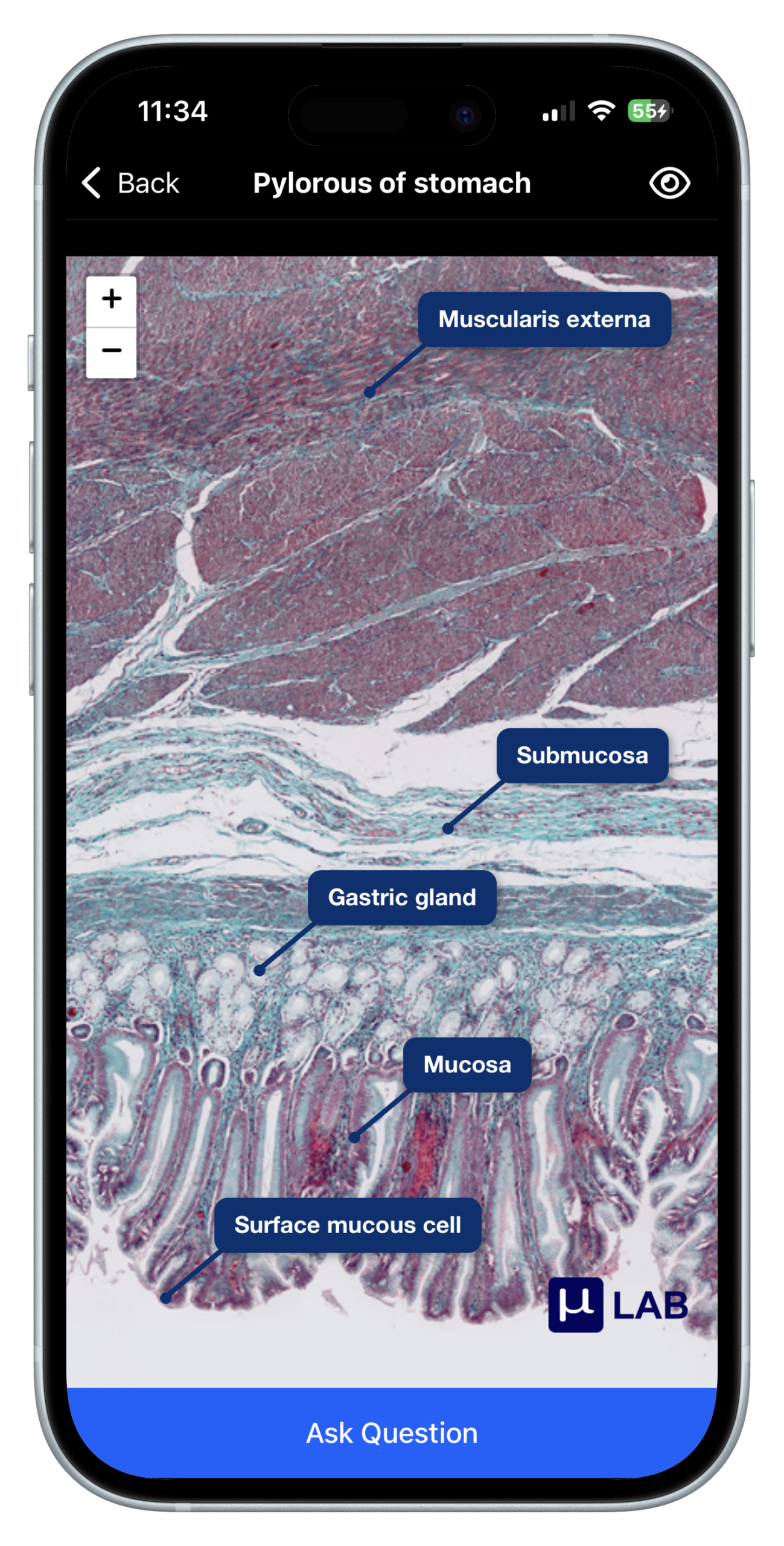
To really hone your slide identification skills, simulate exam conditions. Use online resources or histology atlases to practice identifying slides within a set time limit. This will not only improve your speed but also build your confidence in recognising different structures.
Conclusion
Mastering histology slide IDs under time pressure is a skill that will serve you well, not just in exams but throughout your medical career. By familiarising yourself with common stains, focusing on key features, using systematic approaches, and practising under pressure, you can enhance your slide recognition abilities. Remember, consistency is key — so keep practising!
For more tips and interactive study aids, practice with interactive flashcards and quizzes on Microlab.
Leave a Reply