

Understanding Pharyngeal Arch Development
Pharyngeal arch development is a fundamental process in embryology that every medical student should grasp. This development lays the groundwork for the formation of vital structures in the head and neck, including bones, muscles, and nerves. Knowing the intricacies of this process can significantly enhance your understanding of congenital anomalies and their clinical implications, making it a staple topic in exams.
Why it Matters in Exams
Pharyngeal arches are critical in shaping the craniofacial region. During embryonic development, there are typically six pairs of arches, though the fifth arch is often rudimentary. Each arch is associated with specific structures and functions:
- First Arch: Forms the maxilla and mandible, and contributes to the muscles of mastication.
- Second Arch: Gives rise to the stapes, styloid process, and muscles of facial expression.
- Third Arch: Forms the hyoid bone and contributes to the stylopharyngeus muscle.
- Fourth Arch: Involved in the formation of the laryngeal cartilages and muscles.
- Sixth Arch: Plays a role in the development of the larynx.
Understanding these arches is crucial not only for embryology exams but also for clinical practice. Congenital conditions like DiGeorge syndrome and Treacher Collins syndrome are linked to defects in pharyngeal arch development, making this topic relevant for pathology and clinical diagnosis.
How to Remember It
To help you remember the key aspects of pharyngeal arch development, try using this mnemonic: “My Friend Sings Happily, But I Am Lost.” Each word corresponds to the arches and some associated structures:
- My: Maxilla and mandible (First Arch)
- Friend: Facial expression muscles (Second Arch)
- Sings: Stylopharyngeus muscle (Third Arch)
- Happily: Hyoid bone (Third Arch)
- But: Branchial (Fourth Arch)
- I: Intrinsic laryngeal muscles (Sixth Arch)
- Am Lost: Laryngeal cartilages (Fourth and Sixth Arches)
Using this mnemonic can help you recall the essential functions and structures associated with each arch, assisting you in both exams and clinical contexts.
In conclusion, mastering pharyngeal arch development is not just an academic exercise; it is a crucial component of understanding human anatomy and its related pathologies. For further practice, consider using interactive tools to solidify your knowledge.
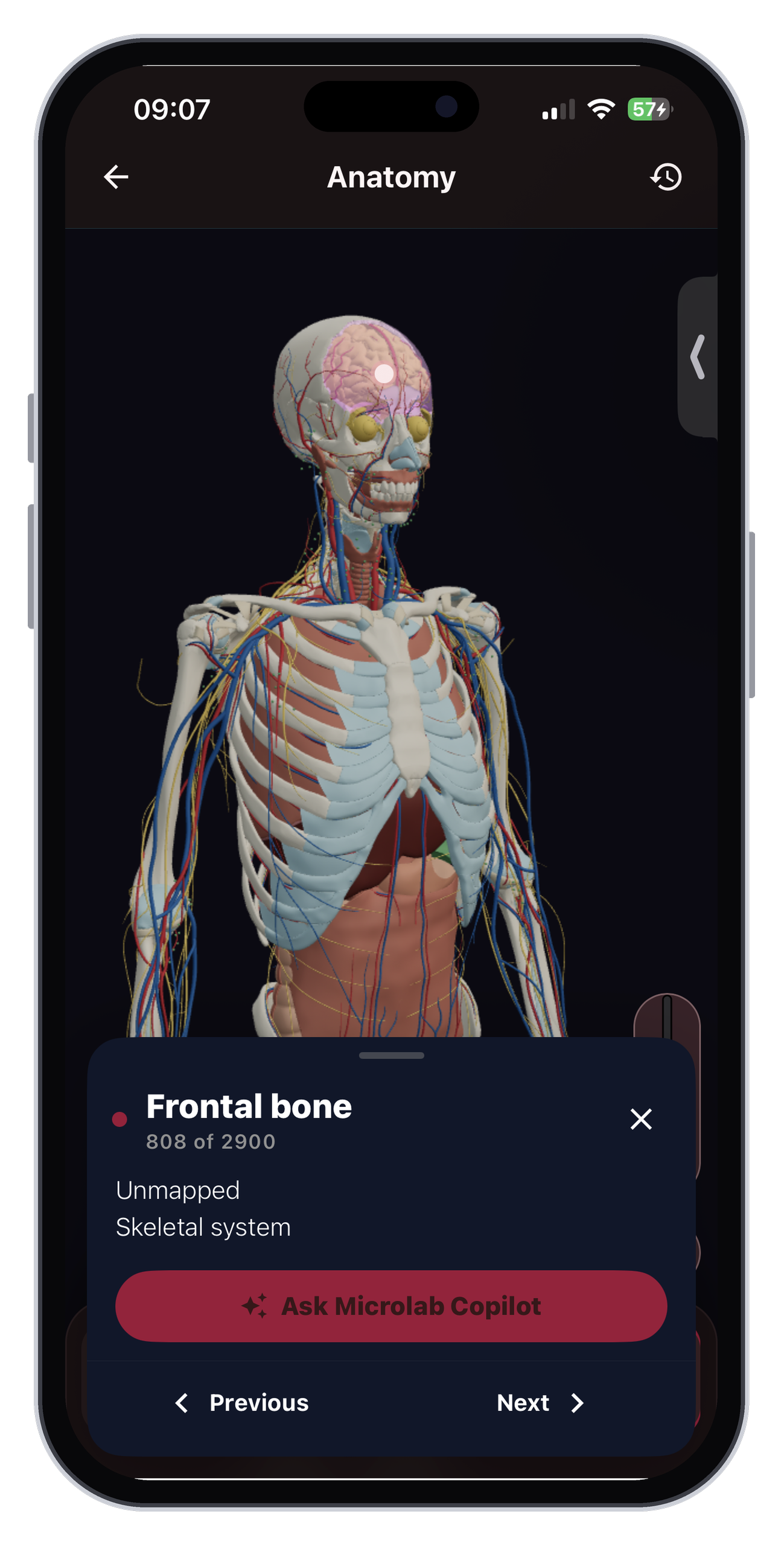
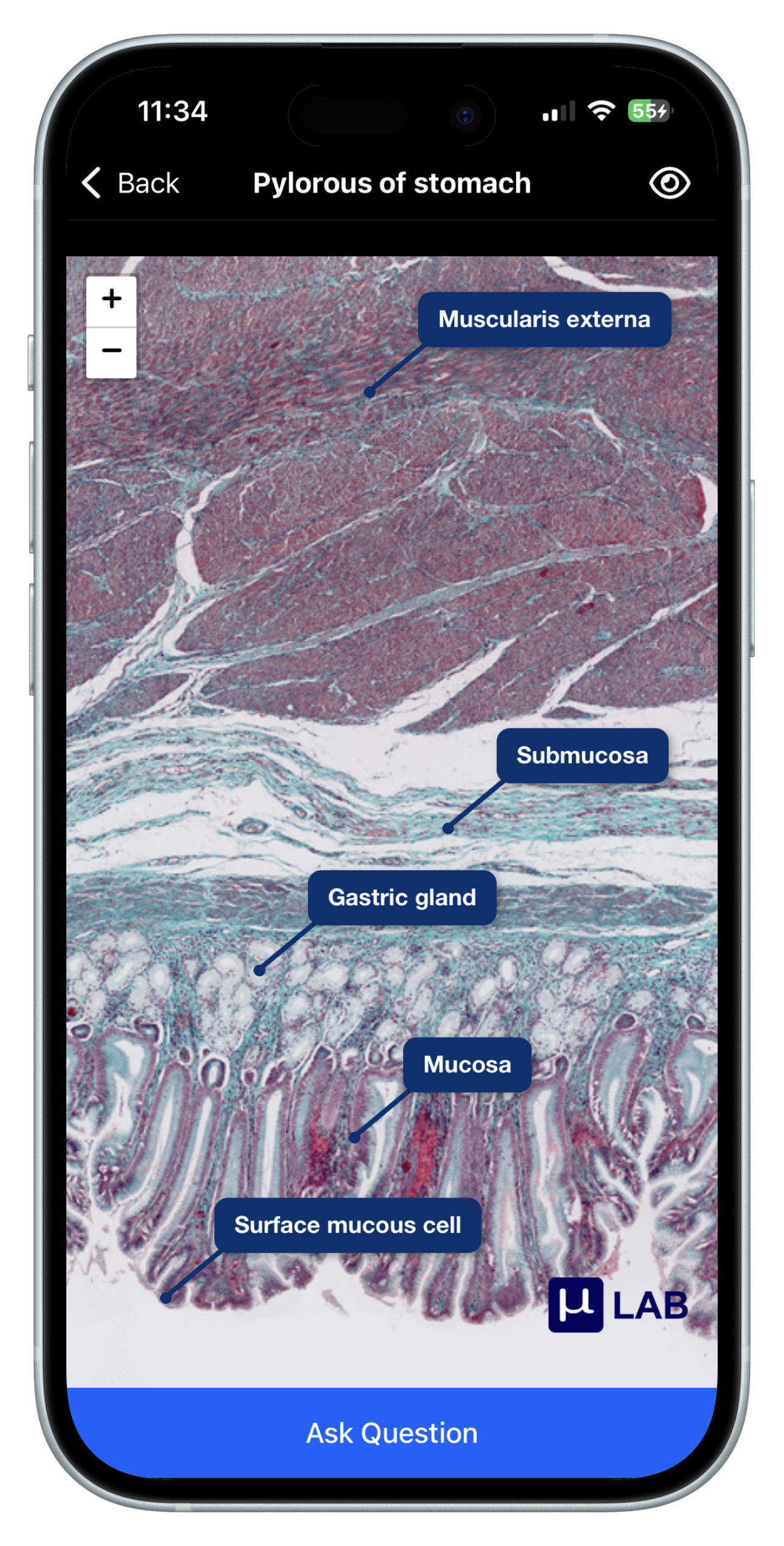
Practice with interactive flashcards and quizzes on Microlab.
Leave a Reply