

Introduction
As medical students, mastering histology slide identification is crucial, especially under the time constraints of exams. The ability to quickly recognise key structures not only boosts your confidence but can significantly impact your performance on test day.
Why it Matters in Exams
Histology is a vital component of your medical training, serving as the foundation for understanding pathology and anatomy. In exams, you may encounter questions that require prompt identification of structures on histology slides. Time pressure can be intense, so developing efficient strategies for rapid recognition is essential. A few key points highlight the importance:
- Time Management: Being able to identify slides quickly frees up time for more complex questions.
- Application of Knowledge: It ensures you can apply your theoretical understanding in practical scenarios.
- Increased Confidence: Quick recognition can boost your self-assurance during exams, leading to better overall performance.
Strategies for Rapid Recognition
Here are some practical strategies that can help you identify structures efficiently:
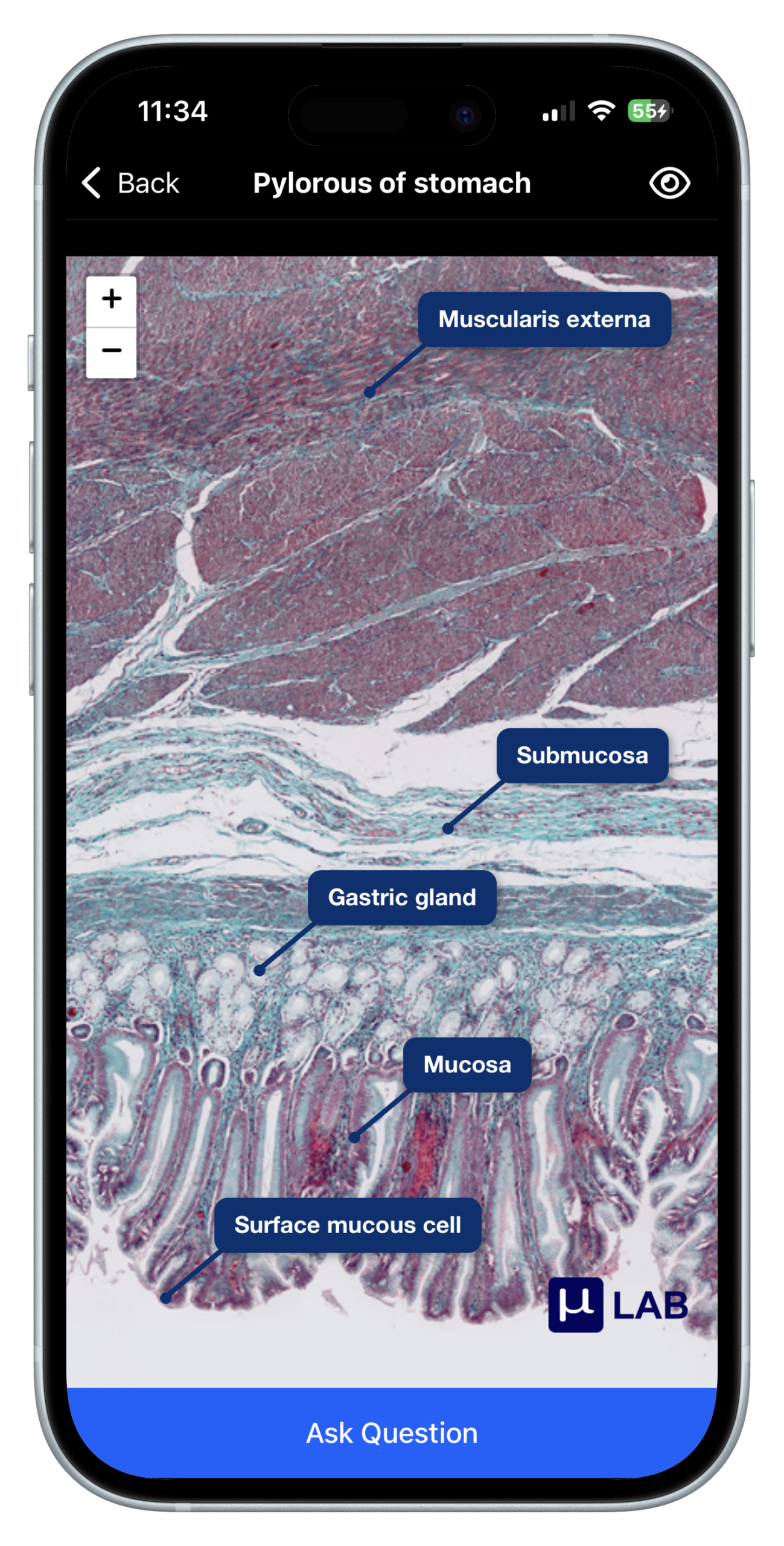
- Familiarise Yourself with Common Slides: Spend time reviewing standard histology slides for tissues and organs. Use atlases or digital resources to get accustomed to what normal histological features look like.
- Focus on Key Features: Each tissue type has distinguishing characteristics. For example, pay attention to cell shape, arrangement, and staining properties. Knowing what to look for can save precious seconds.
- Use Mnemonics: Create memorable mnemonics to associate particular features with specific tissues. For example, remember that “C” in “Cartilage” stands for “Chondrocytes,” which are the cells found in cartilage.
- Practice with Timed Quizzes: Regularly test yourself under timed conditions. This practice can simulate exam pressure and improve your efficiency. Use platforms like Microlab for interactive quizzes.
- Group Study Sessions: Discussing slides with peers can enhance your understanding and expose you to various perspectives. Teaching others often solidifies your own knowledge.
How to Remember It
Mnemonics can be incredibly helpful in reinforcing your memory. Here’s a simple one for some common tissues:
“Epithelial layers can be Simple or Stratified, Cuboidal, Columnar, or Squamous, but always keep them in layers!”
This phrase can help you recall the various types of epithelial tissues and their arrangements. Additionally, visual patterns can aid memory; for instance, remembering that “goblet cells” look like wine glasses can help you identify mucous-secreting cells in simple columnar epithelium.
Conclusion
Effective preparation for histology slide identification under time constraints is key for any medical student. By employing these strategies and leveraging mnemonic devices, you can enhance your rapid recognition skills. Remember, practice makes perfect, so make use of resources like Microlab for interactive flashcards and quizzes to solidify your understanding.
Leave a Reply