

Introduction
As a medical student preparing for exams, being able to quickly identify histology slides can be a game-changer. Under time pressure, it’s crucial to develop efficient strategies that allow you to accurately recognise and recall key structures. This post will explore effective techniques to enhance your slide identification skills, ensuring you’re well-equipped for the challenge.
Why It Matters in Exams
Histology slide identification is a common component of medical exams, where you may be required to analyse slides within a limited timeframe. Mastering this skill is essential, as it not only tests your understanding of tissue structures but also your ability to apply theoretical knowledge in practical situations. A strong grasp of histology can reinforce your learning in other subjects, such as pathology and embryology, making it a cornerstone of your medical education.
Effective Strategies for Slide Identification
- Familiarise Yourself with Common Stains: Understanding the stains used in histology, such as H&E (Haematoxylin and Eosin), can help you quickly recognise tissue types. For example, H&E staining allows nuclei to appear blue (haematoxylin) and cytoplasm pink (eosin), which is fundamental in identifying different cell types.
- Focus on Key Features: When looking at a slide, concentrate on characteristic features of tissues. For epithelial tissues, note cell shapes, layers, and surface modifications (like cilia or microvilli). In connective tissues, observe fibre arrangements and cell types. Having a checklist of features for each tissue type can streamline your identification process.
- Use a Systematic Approach: Develop a step-by-step method for slide evaluation. Start by identifying the type of tissue, followed by the specific structure or pathology. For instance, you might first determine if a slide is muscle, nervous, or connective tissue before diving deeper into specifics.
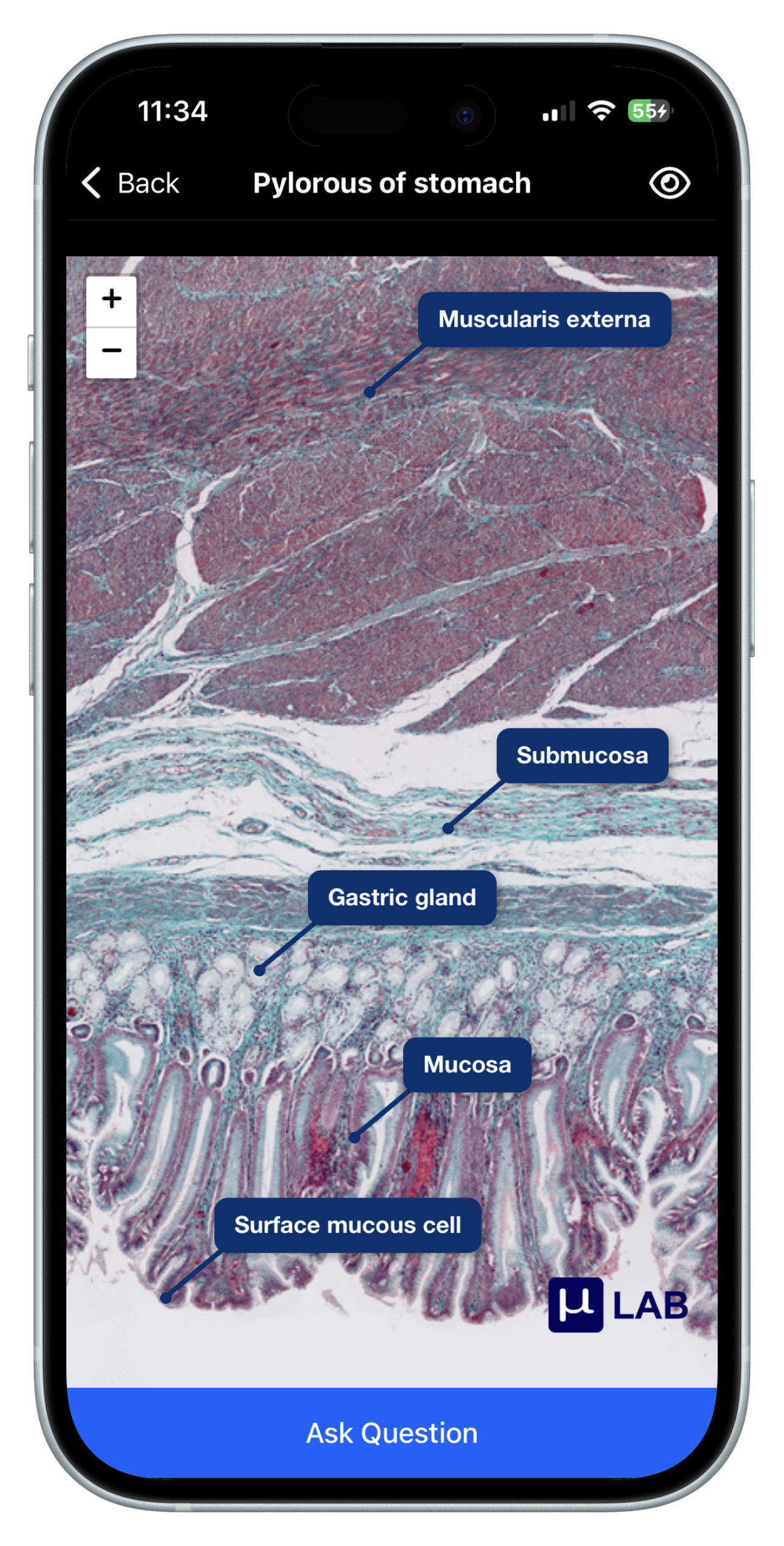
- Practice with Timed Quizzes: Simulate exam conditions by practising with timed slide quizzes. This will help you become accustomed to identifying slides quickly and accurately. Resources like histology atlases and online databases can be beneficial, providing a variety of slides to work with.
- Group Study Sessions: Collaborate with peers to quiz each other on slide identification. Teaching and discussing with classmates can reinforce your knowledge and expose you to different perspectives on identifying structures.
How to Remember It
To aid your memory, consider using mnemonics or patterns. Here are a couple of strategies:
- Mnemonic for Tissue Types: Create a memorable phrase using the first letter of each tissue type you need to know. For example, “Every Cat Likes Eating My Pudding” could stand for Epithelial, Connective, Muscle, and Nervous tissues.
- Visual Patterns: When studying slides, focus on the visual patterns and colours that distinguish various tissues. Associating specific colours or shapes with certain tissues can make recall easier during exams. For instance, remember that sarcomeres in muscle tissue have distinct striations that can be identified under the microscope.
Conclusion
Identifying histology slides under exam pressure can be a daunting task, but with the right strategies and practice, you can boost your confidence and accuracy. By familiarising yourself with common stains, focusing on key features, employing a systematic approach, and utilising mnemonic devices, you can enhance your slide identification skills significantly. Remember, consistent practice is vital. For further support, practice with interactive flashcards and quizzes on Microlab to solidify your knowledge and prepare effectively for your exams.
Leave a Reply