

Introduction
Time pressure during histology exams can be daunting, especially when you need to identify slides quickly and accurately. Understanding how to efficiently approach slide IDs can be the difference between success and stress on exam day. In this guide, we’ll dive into effective strategies that will help you sharpen your skills and manage your time effectively.
Why it Matters in Exams
Histology slide identification is a key component of many medical exams, often requiring you to recognise specific structures, tissues, and pathological changes under a microscope. Mastery of slide IDs not only contributes to your overall histology knowledge but also plays a crucial role in clinical practice, where the ability to interpret histological findings can directly impact patient care. Performing well in this area can boost your confidence and improve your exam scores, making it a priority for serious medical students.
Strategies for Efficient Slide Identification
- Familiarise Yourself with Common Stains: Understand the colour and texture differences that various stains provide. For instance, be aware that Hematoxylin and Eosin (H&E) stains differentially highlight cellular structures, with nuclei appearing blue and cytoplasm pink.
- Focus on Key Features: Instead of memorising every detail, focus on distinctive features of tissues or cells. For example, look for the presence of specific cell types, glandular structures, or unique architecture that can help you quickly narrow down your options.
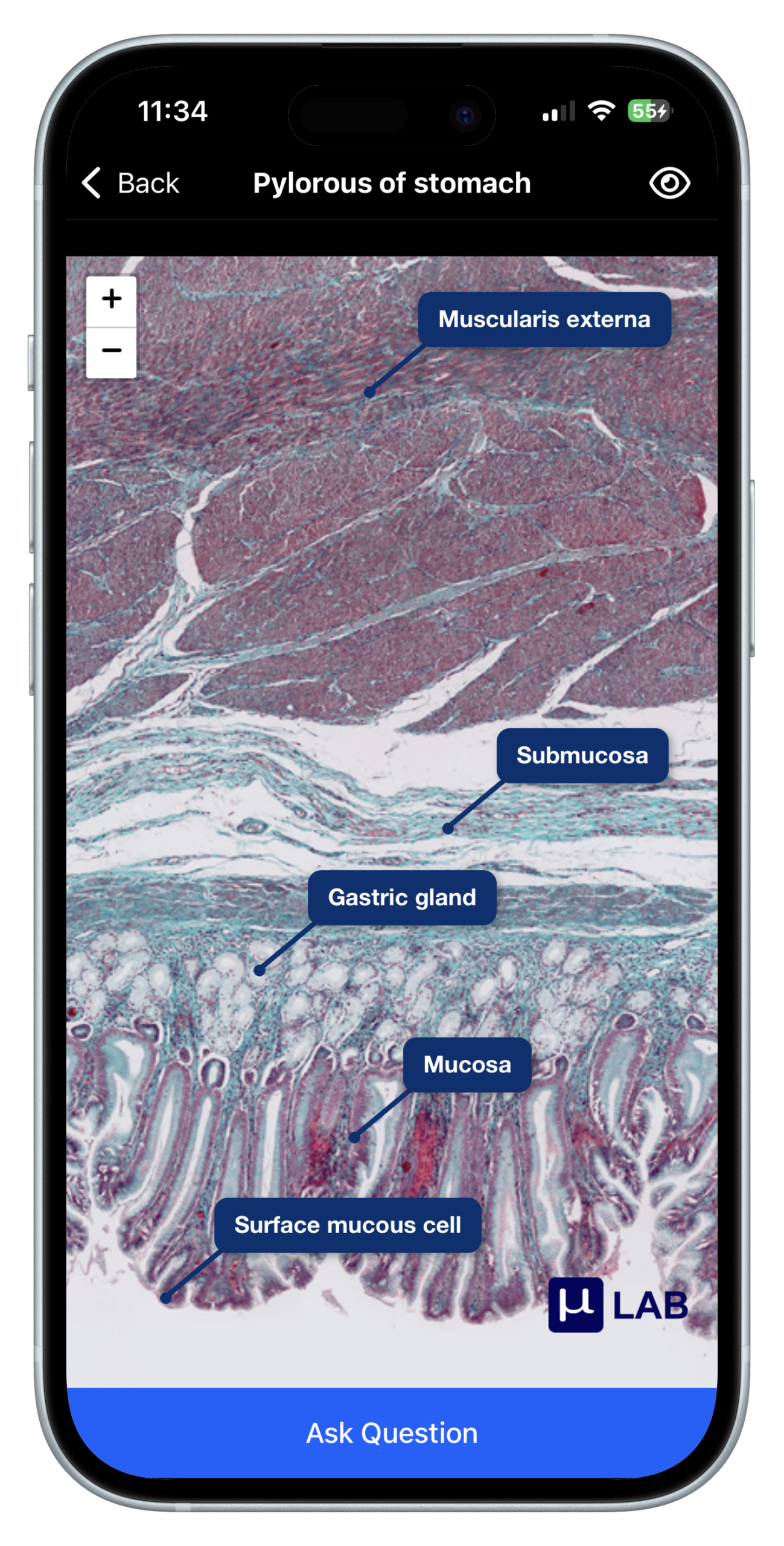
- Utilise Flashcards and Quizzes: Practice with flashcards that display images of slides on one side and their IDs on the other. Quizzes can mimic exam conditions, allowing you to practice under time pressure.
- Group Study Sessions: Collaborating with peers can facilitate shared learning. Quiz each other on slide identifications, and discuss the key features that led to your answers.
- Prioritise High-Yield Slides: Identify which slides frequently appear on exams and focus your study efforts there. This will save you time and increase your chances of encountering familiar material.
How to Remember It
Creating mnemonics or patterns can be incredibly helpful for memorising histological features. For example:
- “A Glandy Road” – for remembering glands: Adrenal, Gastric, Renal, Ovarian (focus on the key histological features of these glands).
- Visualisation Techniques: Try to visualise the slide in your mind and associate it with a memorable image or story. This can make recall easier under exam conditions.
Final Thoughts
Histology slide identification doesn’t have to be a stressful process, even under time constraints. By implementing strategic study methods, focusing on the most relevant information, and practicing regularly, you can enhance your ability to identify slides quickly and accurately. Remember, the goal is not just to memorise but to understand the underlying concepts that will stick with you beyond exams.
Practice with interactive flashcards and quizzes on Microlab to solidify your understanding and prepare effectively for your upcoming exams.
Leave a Reply