

Introduction
If you’re a medical student preparing for histology exams, slide identification can feel daunting, especially under time pressure. Knowing how to quickly recognise key features can be the difference between success and stress during your exams.
Why it Matters in Exams
Histology slide identification is a common component of practical exams. Often, you’ll be presented with a number of slides and asked to identify tissues, cells, or pathological changes within a limited time frame. Mastering this skill not only boosts your confidence but also enhances your overall performance, as it is critical in fields ranging from pathology to clinical diagnosis.
Strategies for Quick Identification
- Familiarity with Common Slides: First and foremost, get to know the most frequently tested slides. Review your course materials and past exams to identify patterns.
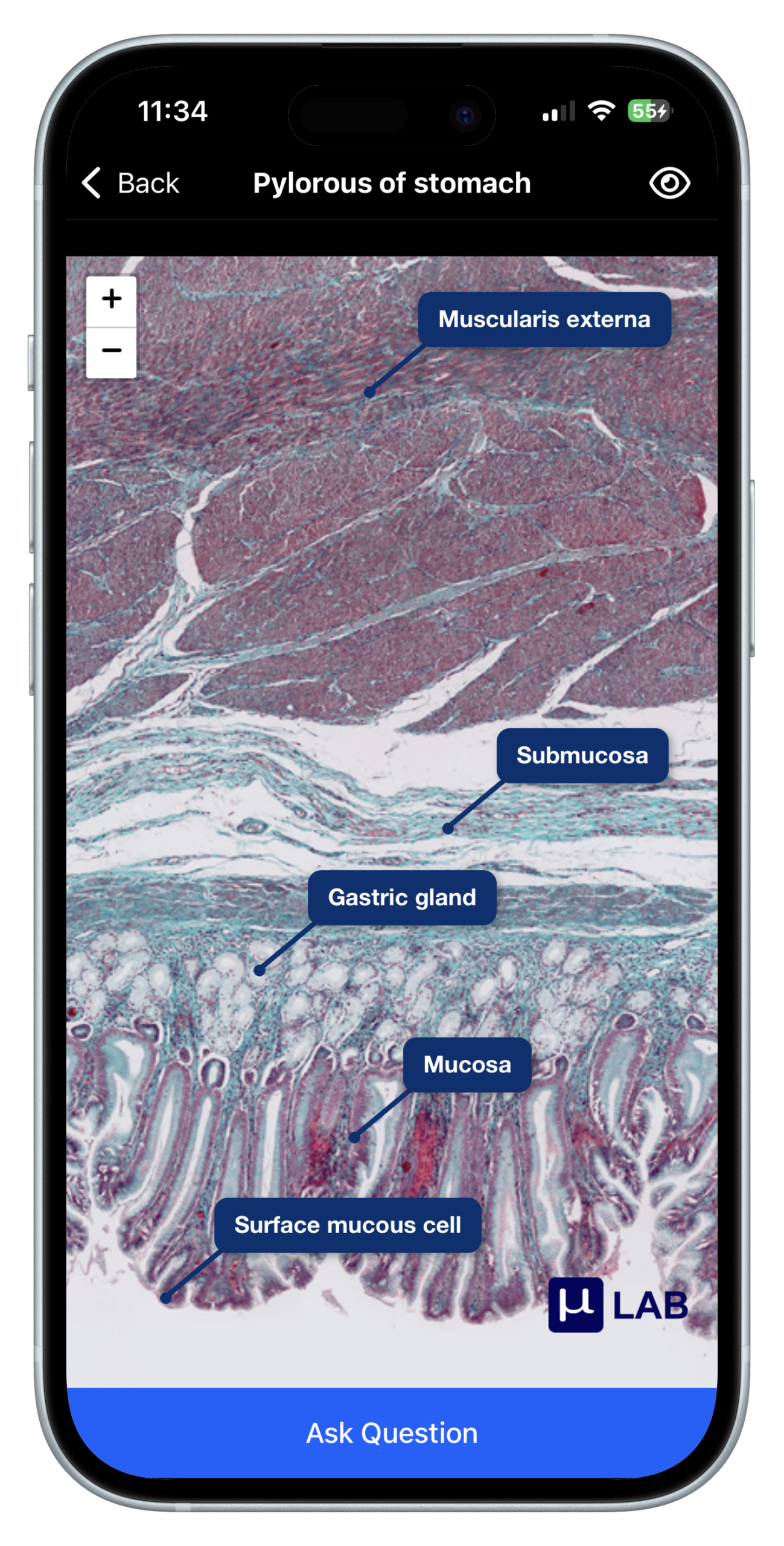
- Focus on Key Features: When examining a slide, hone in on specific characteristics that define the tissue type. For example, note the shape and arrangement of cells, presence of specific structures (like glomeruli in kidney slides), and the staining patterns.
- Utilise the Process of Elimination: If you’re uncertain about a slide, eliminate options that clearly do not match the features observed. This can narrow down your choices significantly.
- Practice with Timed Quizzes: Use flashcards or online quizzes that allow you to identify slides under timed conditions. This replicates exam pressure and helps improve your speed.
How to Remember It
Mnemonics can be a lifesaver in histology. Here’s a simple one to remember the main types of tissues:
“CEMN” – Connective, Epithelial, Muscle, Nervous.
Additionally, associate specific slides with memorable phrases or images. For instance, think of the “basket weave” appearance of keratinised epithelium as a literal basket. This vivid imagery can help reinforce memory recall during exams.
Final Tips
Always keep your study sessions active. Discuss slides with peers or teach concepts to someone else. This not only reinforces your learning but also makes you quicker at recalling information. And remember, practice makes perfect—consistent review and timed exercises are your best friends in histology.
In summary, mastering histology slide identification under time pressure requires a blend of familiarity, strategy, and practice. By implementing these techniques, you’ll not only enhance your skills but also feel more prepared as exam day approaches.
To further enhance your histology preparation, practice with interactive flashcards and quizzes on Microlab.
Leave a Reply