

Introduction
Identifying histology slides in a high-pressure exam setting can be daunting for many medical students. The key to success lies in knowing how to efficiently recognise structures and prepare yourself mentally for quick decision-making. This guide will provide you with essential tips and strategies that can help you excel in slide identification, even when time is not on your side.
Why it Matters in Exams
In medical exams, histology slide ID is a common component, often making up a significant part of practical assessments. Being able to quickly and accurately identify various tissues and structures can not only boost your marks but also enhance your understanding of anatomy and pathology. Mastery of histological identification is crucial for further studies in clinical medicine, where these details come into play in diagnostics and treatment planning.
Top Strategies for Slide Identification
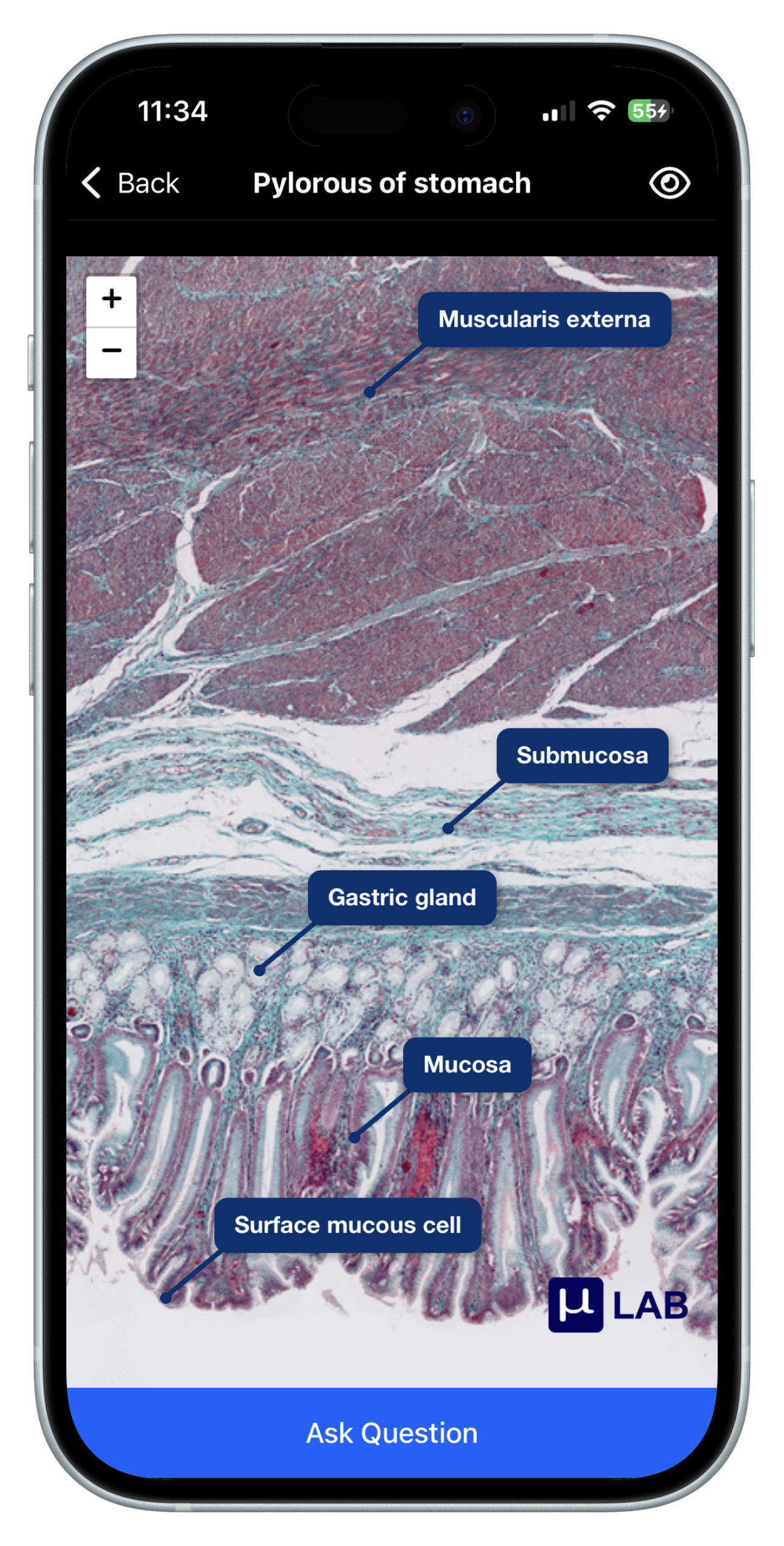
- Familiarise Yourself with Key Features: Look for the distinctive characteristics of tissues, such as cell shape, arrangement, and staining properties. For example, note the differences between columnar, cuboidal, and squamous epithelial cells.
- Practice Makes Perfect: Regularly review histology slides, either through textbooks or online resources. The more you expose yourself to various slides, the more familiar you will become with identifying them quickly.
- Group Similar Tissues: When studying, group tissues with similar features together. This approach helps in forming associations in your mind, making it easier to recall during exams.
- Utilise Mnemonics: Create mnemonics for different tissue types. For instance, remember that ‘Cows Can Sing’ can represent Collagen, Cartilage, and Smooth muscle, helping you recall connective tissue types under pressure.
- Visual Cues: Pay attention to specific visual cues such as colour and texture differences in staining. For example, the bright pink of eosinophilic structures can help you identify muscle tissues.
How to Remember It
To aid in your memory retention, consider the following methods:
- Flashcards: Create flashcards with images of slides on one side and the tissue details (name, features, functions) on the other. This can help with quick recall.
- Group Study Sessions: Collaborate with peers to quiz each other on slide identification. This not only reinforces your knowledge but also exposes you to different perspectives.
- Timed Practice: Simulate exam conditions by timing yourself while identifying slides. This practice will help you become accustomed to working under pressure.
Conclusion
Identifying histology slides under time constraints can be challenging, but with the right strategies and consistent practice, you can enhance your performance. Remember, the key is to be familiar with the slides and develop a systematic approach to identification. Practice with interactive flashcards and quizzes on Microlab to solidify your understanding and boost your confidence.
Leave a Reply