

Top Tips for Quick Identification of Histology Slides in Exams
Histology slide identification can be a daunting task for medical students, especially when you’re under the clock during exams. Knowing how to quickly recognise key features can be the difference between a passing and failing grade. Let’s dive into some effective strategies that can help you ace those slide IDs with confidence.
Why it Matters in Exams
In histology, you’re often required to identify various tissues, organs, and pathological specimens swiftly. Exams may present you with a series of slides where time is tight, and your ability to identify them quickly can significantly impact your overall score. Mastering this skill not only helps you in exams but also lays a solid foundation for your clinical practice, where rapid identification of tissue types is crucial.
Key Features to Look For
When faced with a histology slide, focus on identifying the following key features:
- Cell Type: Determine if the predominant cells are epithelial, connective, muscle, or nerve cells.
- Cell Arrangement: Look for patterns such as simple, stratified, or pseudostratified for epithelial tissues.
- Staining Characteristics: Familiarise yourself with the staining techniques and how they affect tissue appearance (e.g., H&E, PAS).
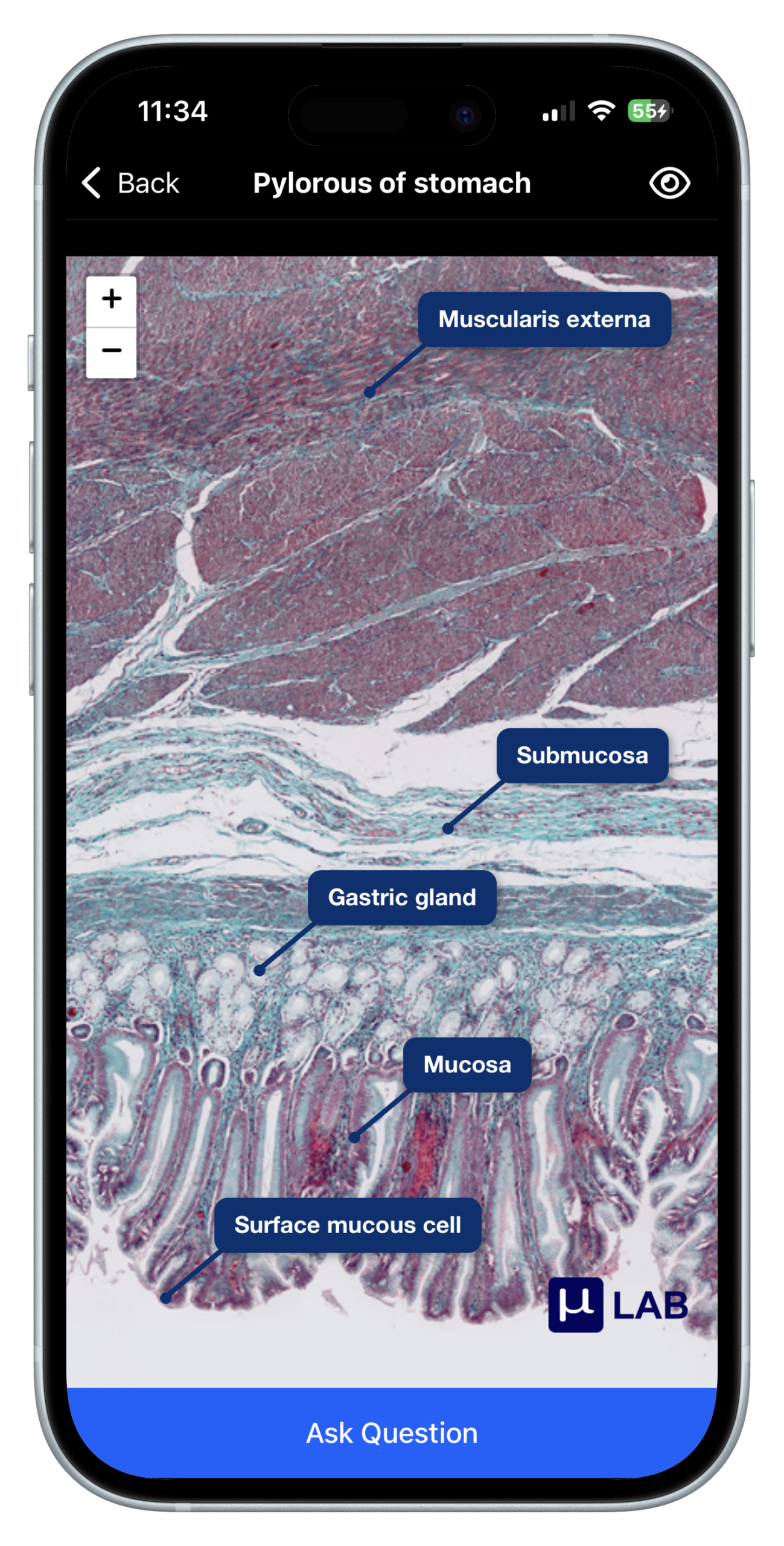
- Special Structures: Identify any unique features, like goblet cells in intestinal epithelium or glomeruli in kidney sections.
How to Remember It
Here are some practical mnemonics and strategies to aid in your histology slide identification:
- Visualisation: Create mental images of each tissue type. For instance, picture lung tissue as a sponge with air sacs (alveoli).
- Flashcards: Use flashcards with images on one side and key identifying features on the other. This can reinforce memory retrieval.
- Group Study: Quiz each other in study groups using slides to practice identifying features quickly. Explain your thought process out loud.
- Time Challenges: Set a timer while practising to simulate exam conditions. Challenge yourself to identify multiple slides within a set time.
Mock Exams and Practice
One of the best ways to prepare is through mock exams that mimic the actual testing environment. Use past papers and online resources to practice identifying histology slides under time constraints. Pay attention to feedback and refine your strategies based on what you find challenging.
In conclusion, being able to identify histology slides quickly is a vital skill for medical students. With these strategies in mind, you’ll be better prepared to tackle slide IDs in your exams. Remember to practice regularly and stay calm during assessments. You’ve got this!
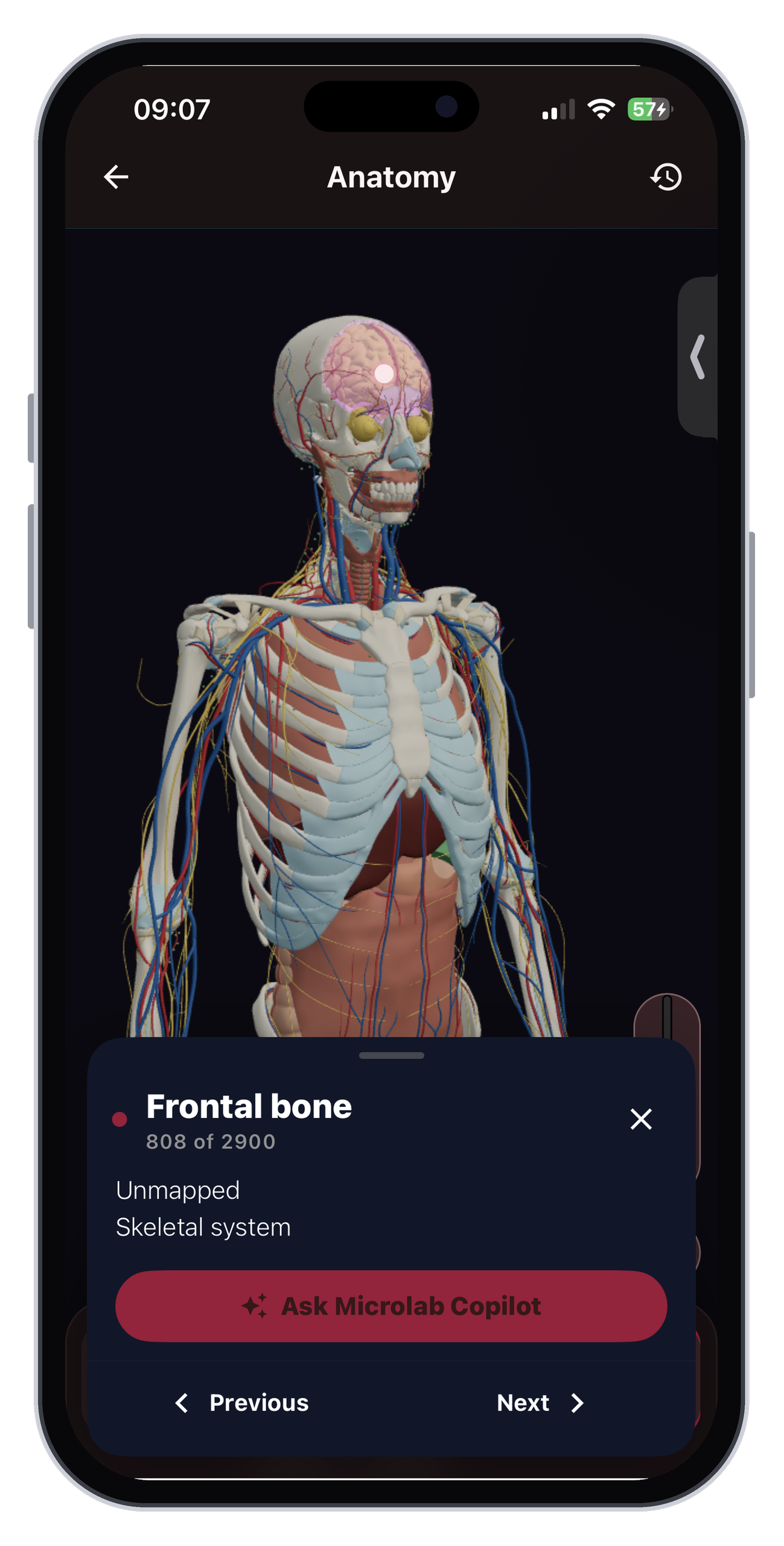
For more interactive study aids, consider using resources like Microlab to enhance your learning experience. Practice with interactive flashcards and quizzes on Microlab.
Leave a Reply