

Understanding Germinal Centres
Germinal centres are specialised structures within lymph nodes that play a pivotal role in the adaptive immune response. These dynamic sites are where B cells proliferate, differentiate, and mutate their immunoglobulin genes, ultimately leading to high-affinity antibody production. For medical students, grasping the structure and function of germinal centres is essential for understanding both histology and immunology, especially in the context of disease processes and vaccine responses.
Why it Matters in Exams
Germinal centres are frequently examined in histology, immunology, and pathology courses. Understanding their anatomy and function can help you answer questions related to:
- B cell maturation and differentiation
- The mechanisms behind affinity maturation
- Pathological conditions such as lymphomas
In exams, you may be asked to identify germinal centres under microscopy or explain their role in the immune system. Thus, having a solid grasp of this concept will not only enhance your histological knowledge but also prepare you for broader immunological principles.
Structure of Germinal Centres
Germinal centres are typically found in the follicles of lymphoid tissues, particularly in the cortex of lymph nodes. They consist of two main regions:
- Dark Zone: This area is rich in rapidly proliferating B cells, known as centroblasts. Here, somatic hypermutation occurs, allowing B cells to modify their antibody genes to produce a greater variety of antibodies.
- Light Zone: This region contains centrocytes, which are B cells that have undergone somatic hypermutation. In the light zone, these cells interact with follicular dendritic cells and T follicular helper cells, leading to selection processes that determine which B cells will survive and differentiate into memory B cells or plasma cells.
How to Remember It
To help you memorise the key parts of germinal centre function, consider the mnemonic “Dancing Lights Create Magic”:
- Dancing – Dark Zone (where B cells proliferate)
- Lights – Light Zone (where selection occurs)
- Create – Centroblasts (in Dark Zone)
- Magic – Centrocytes (in Light Zone)
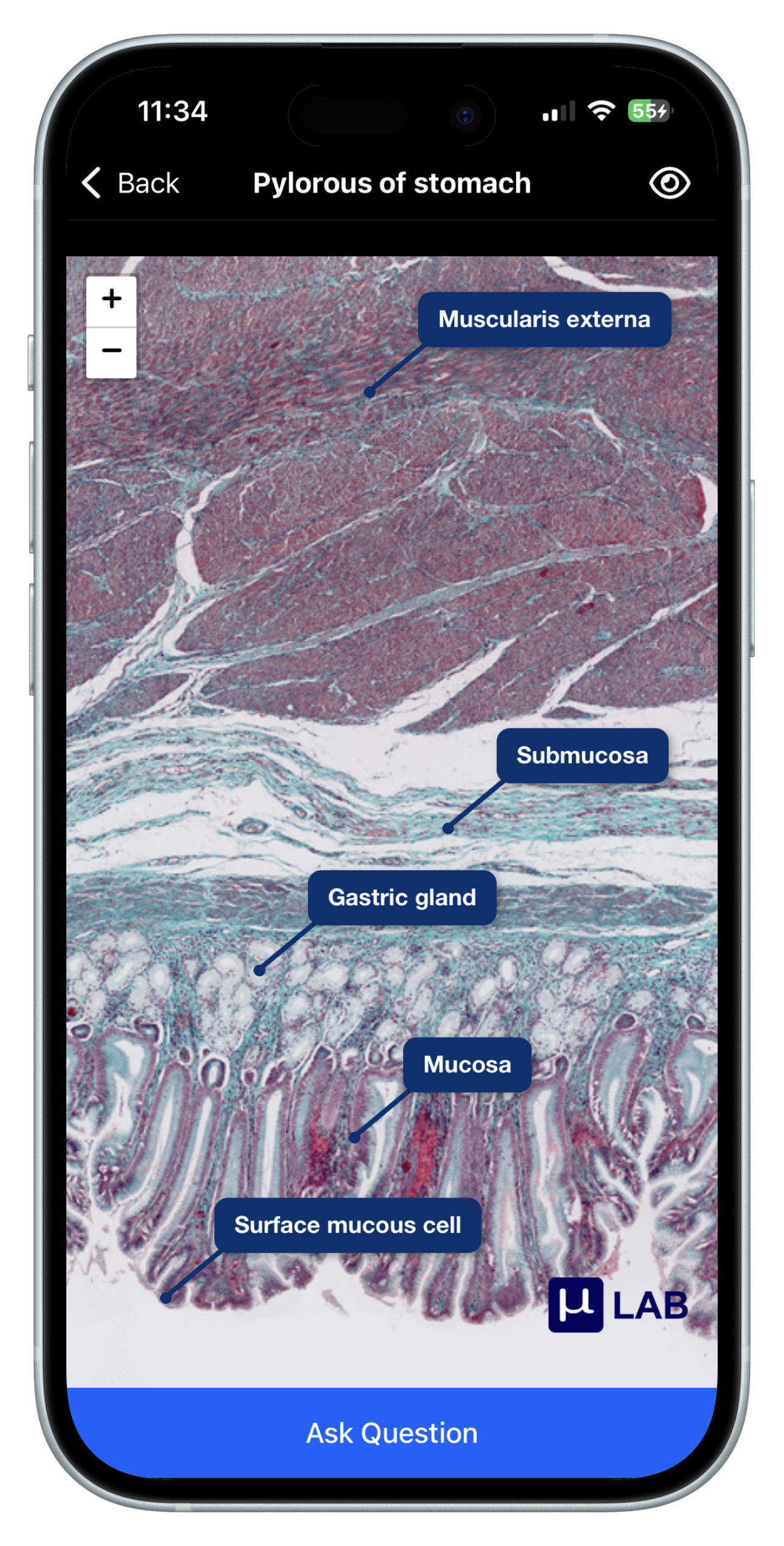
This mnemonic helps you recall the structural differences and functional processes within the germinal centre. Alongside this, visualisation through histological slides can reinforce your understanding. Examine images of germinal centres under a microscope to identify the dark and light zones and their corresponding cell types.
Conclusion
Germinal centres serve as critical sites for B cell maturation and antibody production in the immune response. By mastering their structure and function, you will be better equipped to tackle histology and immunology questions in your exams. Practice with interactive flashcards and quizzes on Microlab to solidify your understanding and boost your exam readiness.
Leave a Reply