

Understanding the Cerebellar Cortex Layers
The cerebellar cortex is a crucial part of the brain responsible for motor control, coordination, and balance. For medical students, grasping the structure of the cerebellar cortex layers is essential not just for exams but for understanding neurological functions. This post breaks down the layers of the cerebellar cortex, their cellular composition, and functional significance.
Components of the Cerebellar Cortex
The cerebellar cortex consists of three main layers:
- Outer Molecular Layer: This layer contains a rich array of dendritic trees from Purkinje cells and interneurons such as basket and stellate cells. It primarily functions in the integration of sensory and motor information.
- Purkinje Cell Layer: This middle layer is a single row of large Purkinje cells, which are pivotal in sending inhibitory signals to the deep cerebellar nuclei. Their output regulates motor coordination.
- Granular Layer: The innermost layer contains densely packed granule cells that receive input from mossy fibres. These cells send their axons into the molecular layer, where they form synapses with Purkinje cells.
Why it Matters in Exams
The layers of the cerebellar cortex are often tested in neuroanatomy and histology sections of medical exams. Understanding these layers helps in deciphering the functions of the cerebellum and its role in motor control. You may encounter questions related to:
- Cell types and their specific functions
- Pathologies associated with cerebellar dysfunction
- Microscopic identification of cerebellar structures
How to Remember It
A useful mnemonic to recall the layers of the cerebellar cortex is M-P-G: Molecular, Purkinje, and Granular. This pattern helps you sequence the layers from outermost to innermost easily.
Visual Aids
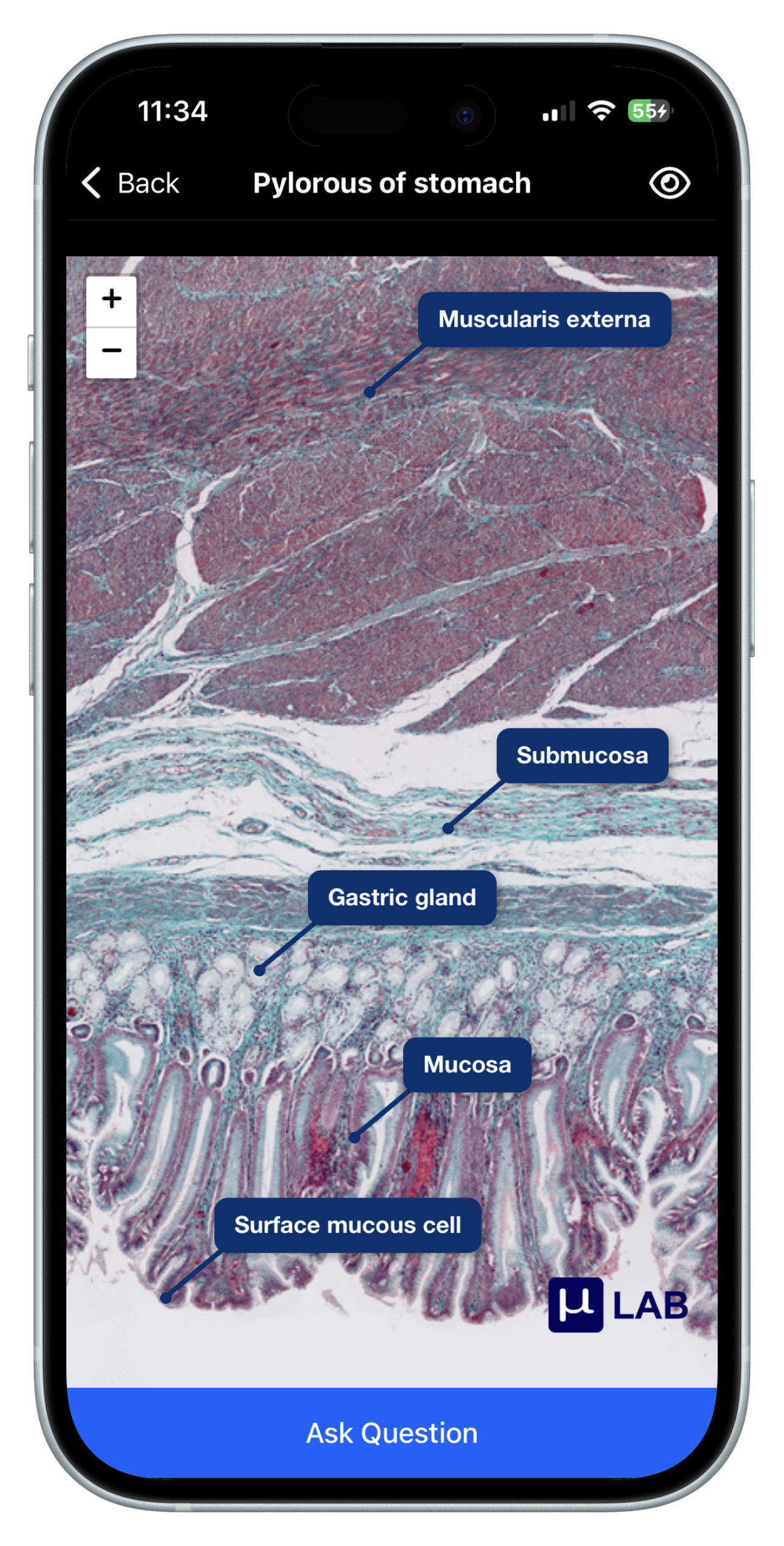
When studying histology slides of the cerebellum, pay attention to the arrangement of these layers. The distinct appearance of each layer can aid in quick identification during exams and practical assessments.
Conclusion
Understanding the cerebellar cortex layers not only prepares you for exams but also lays the groundwork for a deeper appreciation of neuroanatomy and its clinical implications. Make sure to reinforce your learning with visual aids and practical microscopy sessions.
Practice with interactive flashcards and quizzes on Microlab: https://microlab.help.
Leave a Reply